Saturday, January 21, 2023

Journey Through The Rotten Bridge For The Reforms Of Government Expenditure

 By Harsha Gunasena –

Harsha Gunasena

According to the National Consumer Price Index released by the Department of Census and Statistics, prices of food items and nonalcoholic beverages were increased by 85.8% from October 2021 to September 2022 (related figure of Colombo Consumer Price Index (CCPI) was 94.9%). Prices of all goods for the same period were increased by 73.7% ( CCPI- 69.8%). These indices were increased rapidly from April to June this year and thereafter the monthly increase was slowed down. (Please refer to the table)

Soon after his appointment the present Governor of the Central Bank increased the Policy Rates of interest to contain the rapidly rising inflation. The Average Weighted Prime Lending Rate (AWPLR) which was 9.85% in March this year was increased to 25.95% in September this year. Only high-end borrowers whose credit worthiness is high could borrow at AWPLR and the others must pay a higher rate of interest. Now the general rate is over 30%.

During the time of the former Governor of the Central Bank, a lot of sacrifices were made to keep the exchange rate stable. Suddenly, the Rupee was allowed to move freely in the market and as a result it was depreciated rapidly within a short span. (Please refer to the table) We can remember that when the same Governor was in office in his previous tenure the country faced the same scenario of sudden depreciation of the Rupee in two occasions.

In this background the government increased the taxes and there were criticisms against this move. Subsequently the President addressed the nation defending the tax increases. Tax exemption limit was reduced from Rs. 3 million to Rs. 1.5 million. As per the increased income tax a person whose income is over Rs. 100,000 has to pay tax at the rate of 6% for his or her income up to Rs. 142,000. There are slabs for the income above that limit.  Small business and other entities which were taxed at the rates of 14% and 18% were increased to 30%. 

Tax relief of the senior citizens for their interest income was also removed.  It should be noted that due to the inflation running more than double of the interest on fixed deposits, the net income of fixed deposits is negative. Therefore, by taxing the interest income the net gain would be more towards the negative side. Moreover, during the covid period the Banks provided debt moratorium to the borrowers and this additional burden to the banks was not financed by the government or the general taxpayers, but by the depositors of the Banks. Even now there is a huge gap between the lending rates and the deposit rates of the Banks and also between the Treasury Bill rates and the AWFDR (Please refer to the table) Therefore the fixed depositors are hit by many sides.

Recently the Government presented the Appropriation Bill 2023. According to that the estimated expenditure of the government is Rs. 3.6 trillion. This is 46% more compared to the estimates of 2022 prior to the amendment. This increase is lower than the current inflation rate, but it is a considerable increase. Estimated capital expenditure of the Ministry of Power and Energy is 36.2 billion and the corresponding figure in 2022 was Rs. 224 million. This is a huge increase.     

The credit limit approved by the Parliament for the year 2022 was Rs. 3.8 trillion and recently it was increased to Rs. 4.5 trillion. Since there are limitations to foreign borrowings the government borrows from the domestic sector. As a result, the interest rates of the Treasury Bills issued by the Central Bank are keep increasing gradually. It is around 30% now. On October 19 this year the Central Bank called for the bids for Rs. 30 billion maturing in three months, for 25 billion maturing in six months and for 20 billion maturing in one year totaling to Rs. 75 billion. However, the bids for only Rs.25 billion were accepted and the interest rates offered were 33.05%, 32.53% and 29.60% for the bids maturing in there months, six months and one year respectively. Balance Rs. 50 billion may have purchased by the Central Bank and those funds would be supplied by way of printing money. We all, including the government, know that this will increase the inflationary trend of the country which has reached to unbearable level.

The government as well as the country is in such a grave situation now. Many think that the situation has eased since there are no fuel or gas queues. It has not.

The government increased the taxes in this background. Based on the increased tax rates it is evident that the government is in a difficult position. The government is in the process of transferring its difficulty to the citizens. Small entrepreneurs who face 70% inflation and 35% interest on bank borrowing will have to pay 30% taxes.

Recently the Institute of Policy Studies of Sri Lanka launched its State of the Economy 2022 report. At the discussion when I  questioned why the people who were pushed down to marginal levels due to unprecedented inflation were also taxed, the Governor of the Central Bank responding on behalf of the Secretary to the Treasury who was not in at that time said  that the groups below that level were in dire straits and it was the responsibility of the government to support them using the money generated from this tax increases.

The Secretary to the Treasury addressing the audience prior to that said that the government initiated the revenue-based reforms. He further said that it would take some time to initiate expenditure based reforms. At the same time, he said that the government contributes to the inflationary trend by borrowing money from the Central Bank. The Governor of the Central Bank said that the fiscal transparency is needed if the government wants these reforms to be successful.

It is evident from the expenditure estimates of the Appropriation Bill that the government is not taking up the expenditure reforms now.  At least the government should give a road map for the future reforms. At most the government should start to implement those reforms now. The conditions agreed with the IMF should be revealed to the citizens. Then and only then can the fiscal transparency mentioned by the Governor be in place. 

The President, at the time of assuming the post of the Prime Minister, said that Sri Lankan Airlines should be privatized. There are many institutions in the line which should have followed this path. The President and the government should have the political bravery to take up these issues. Opposition politicians who pose mere populist criticisms without giving any solutions should be politically undressed. That is called the journey through the rotten bridge as quoted by the President from the Caucasian Chalk Circle. The President who was not elected by the people can do whatever needed to be done without getting blinded by the so-called populism which ruined our country. 

published in Colombo telegraph on November 3, 2022

https://www.colombotelegraph.com/index.php/journey-through-the-rotten-bridge-for-the-reforms-of-government-expenditure/


Redefining Traitors & Patriots In Relation To Sri Lanka Losing The Shipping Hub Status

 By Harsha Gunasena –

Harsha Gunasena

Based on the evidence available, Sri Lanka was a shipping hub in the Indian Ocean even in the era before Christ. The ships sailed in the Indian Ocean between the West and the East have stopped at Sri Lanka. During those days the ships sailing from Persian ports to Guangzhou in China and vice versa could take up a long time and therefore it made sense to have a transshipment port in between. Sri Lanka fulfilled this need and plenty of seaports were located around the island. Sri Lanka was engaged in import and export businesses and in addition to that was engaged in entrepot trade.  

Sri Lanka mainly exported pearls, gems, elephants, and spices and imported mainly horses, ceramics, perfumes, and textiles. Mahavamsa mentioned that Sena and Guttika who ruled Sri Lanka for 22 years in the third century BC were the sons of a Tamil horse trader.  In the third century BC, Megasthenes, the Greek ambassador in Pataliputra at the time of Maurya rule in India mentioned that wooden ships were built to transport elephants from Sri Lanka to Kalinga in India. In the 9th century Chinese scholar LI Zhao wrote that the vessels from Sri Lanka were the largest of those visiting Guangzhou, a port in China, with stairways for loading and unloading.

It could be assumed that Port of Godavaya close to the main sea route, situated between present Hambantota and Ambalantota was used for entrepot trade based on the excavated ruins. In a rock script at Godavaya it was mentioned that the king Gajabahu I in the first century AD ordered that the customs duties of the seaport Gota Pabbata should be donated to a Buddhist temple situated close by.

The Greek writer Cosmas mentioned that in the sixth century AD the goods from Sindu, Male, Kalliana and other ports in India as well as from China, Persia, Adule and Ethiopia were brought to Sri Lanka and then redistributed. This was entrepot trading.

In the twelfth century AD Parakramabahu the Great established a Tamil slab inscription in Nainativu (present Kayts) to the effect that the foreigners who disembark from their ships at the port Uratturai will remain under the security of the state. It further stated that the ships suffer wreckage in transit through the waters of the port will be charged based on the type of cargo. Wrecked vessels which carried elephants and horses will be charged a fourth share of the cargo but the vessels carried ordinary merchandise will have to pay a half share to the state treasury. One of the main reasons that Parakramabahu the Great invaded Burma was a dispute in Sri Lankan trading vessels.

The chronicles did not give emphasis to the commercial activities of the country so that we have to rely on various other sources in examining this aspect.

Later the kings of Kandyan period adopted an open policy in foreign relations. Vimaladharmasuriya I, the first king of the Kandyan era was fluent in Portuguese and his queen consort was Kusumasana Devi also known as Dona Catherina, a Roman Catholic. During the Kandyan period persons of various nationalities and religions lived together in harmony.  

In early twentieth century Anagarika Dharmapala insisted the importance of upliftment of industries and trade in Sri Lanka. He said that the revenue of the government should be utilized to the building of steamships, upliftment of agriculture and establishment of industries.

Sri Lanka which was a trading and shipping hub during the time of Sinhala kings is now moving away from that position due to the protectionist policies adopted by its rulers with the blessing of the public.

Sirimavo Bandaranaike nationalized the oil industry in 1962. At that time Singapore was emerging as a nation which became independent in 1965. Oil companies which were forced to leave Sri Lanka were welcomed by Singapore. They contributed to the development of Singapore seaport by establishing oil refineries there. Government introduced a law that the majority ownership of the shipping companies in Sri Lanka should be held by the Sri Lankans. As a result, foreign shipping companies do not come to Sri Lanka and they are represented by the agents here. Shipping Agents are against of changing this law to allow the shipping companies to come here due to their own business interests which is detrimental to the growth of the shipping industry in Sri Lanka.  As a result, global shipping companies supported the ports of Dubai in the Middle East and the port of Singapore in the Far East.

I have heard from a reliable source that a Head of State was bribed by a Chairman of a large conglomerate which was having a logistics sector with number of shipping agencies, in order to prevent the liberalization allowing majority foreign ownership of shipping companies.  

In the year 2020 Singapore Port handled 36.6 Mn TEUs and Jebel Ali port which is the largest port in Dubai handled 13.5 Mn TEUs. Colombo port which is in the middle of the Indian Ocean handled only 6.85 Mn TEUs.

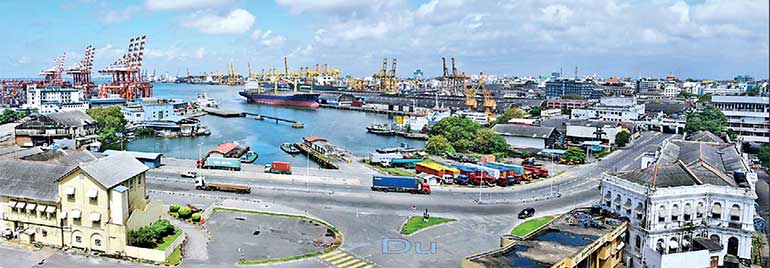
Two terminals of the Colombo Port were privatized, and the Port was expanded. This action facilitated the reexport of the goods coming from the Indian ports which were away from the main sea route.  The position of the trade center of the Indian Ocean enjoyed by Sri Lanka in the history was degraded to a mere transshipment port of Indian goods. We are benefitted by the growth of the Indian economy.

Irrespective of this background which is the dependency of Indian cargo by the Colombo Port, the  attempt of the Gotabaya Rajapaksa government to privatize the East Container Terminal (ECT) with 49% ownership to Indian Adani Group was foiled due to the pressure of the Trade Unions which was the visible reason. There could be invisible reasons as well.  However, the West Container Terminal (WCT) which was situated bit away was given to the same Indian company with 85% stake. From the national point of view this was an idiotic action. In case if the ECT was privatized the work would have been over by now. Since the government does not have money, Port Authority did not do any development there. The reason for the behaviour of the Trade Unions of Colombo Port was to secure their jobs to which much effort was not given. 

The politicians of the country do not in favour of privatization of the loss making or inefficient government business entities since they want to fill those entities with their henchmen who support their elections, from top to bottom. This helps them to be in power.

As explained, the Shipping Agents, the Trade Unions and the politicians of this country are traitors to the Nation. This traitorous act is perceived by the people of the country as a patriotic act since they are blinded with protectionism.

This myth which is against the Foreign Direct Investment (FDI) was promoted by the Sri Lankan governments especially by the Bandaranaike governments which initiated nationalization of private entities and by the false adaptation of the Marxist thinking in the country. China which is ruled by a communist party achieved such a growth within few decades and uplifted the status of millions of the poor due to the opening the country to  FDIs and privatization of the government entities.

Sri Lanka, which is a democratic country, cannot do what China has done without the consent of the people. Until such time the people do away with this backward thinking of protectionism the Shipping Agents, the Trade Unions and the politicians will continue in the path they have hitherto taken. 

Published in Colombo Telegraph on 29 October 2022

https://www.colombotelegraph.com/index.php/redefining-traitors-patriots-in-relation-to-sri-lanka-losing-the-shipping-hub-status/


රාජ්‍ය වියදම් ප්‍රතිසංස්කරණය සඳහා වැල් පාලමේ ගමන

හර්ෂ ගුණසේන –

හර්ෂ ගුණසේන

වැඩි කරන ලද ආදායම් බදු පිළිබඳව බදු ගෙවිය යුතු පිරිස් වෙතින් විරෝධතා මතුවූ අතර ජනාධිපතිවරයා ආණ්ඩුව විසින් ගත් ක්‍රියාමාර්ගය සාධාරණීකරණය කරමින් ජාතිය අමතා ප්‍රකාශයක් නිකුත් කරන ලදී. ජනලේඛන සහ සංඛ්‍යා ලේඛන දෙපාර්තමේන්තුව මගින් නිකුත්කරන කොළඹ පාරිභෝගික මිල දර්ශකය අනුව පසුගිය වසරේ සැප්තැම්බර් සිට මේ වසරේ සැප්තැම්බර් දක්වා ආහාර සහ මධ්‍යසාර නොවන බිම වර්ග වල මිල වැඩිවීම 94.9% ක් (ජාතික පාරිභෝගික මිල දර්ශකය 85.8%) වූ අතර සමස්ත භාණ්ඩ වල මිල වැඩිවීම 69.8% ක් (ජාතික පාරිභෝගික මිල දර්ශකය 73.7%) විය. මෙම දර්ශක මේ වසරේ අප්‍රේල් සිට ජුනි දක්වා විශාල වශයෙන් ඉහල ගිය අතර ඉන්පසු මාසික ඉහල යාම අඩුවී ඇත. (මේ සමඟ ඇති වගුව බලන්න)

උද්ධමනය ඉහල යාම පාලනය කිරීම සඳහා වර්තමාන මහා බැංකු අධිපතිවරයා පත්වීමෙන් පසුව  මෙම වසරේ අප්‍රේල් මාසයේ දී බැංකු පොලි අනුපාත ඉහල දමන ලද අතර මෙම වසරේ මාර්තු මස 9.85% ක් වූ සාමාන්‍ය මූලික ණය පොලිය (average weighted prime lending rate) සැප්තැම්බර් මාසය වන විට 25.95% දක්වා ඉහල ගොස් ඇත. සාමාන්‍ය මූලික ණය පොලියට  ණය ලැබෙන්නේ ණය ආපසු ගෙවීමට ඉතා ඉහල මට්ටමේ හැකියාවක් ඇති ණය ගන්නන්ට පමණි. සෙසු ණය ගන්නන්ට මෙම පොලියට වඩා වැඩි පොලියක් ගෙවීමට සිදුවේ. මේ වන විට එය 30% ඉක්මවා යයි.

පසුගිය මහා බැංකු අධිපති වරයාගේ යුගයේදී විදේශ විනිමය අනුපාත ස්ථාවරව තබාගැනීම සඳහා විශාල කැපකිරීම් කරන ලදී. ඉන්පසුව එකවිටම විනිමය අනුපාතය නිදහස් කිරීම නිසා ඉතා කෙටි කලක් තුල රුපියලේ අගය අවප්‍රමාණය විය. (වගුව බලන්න)

බදු නිදහස් සීමාව වර්ෂයකට රු. ලක්ෂ 30 සිට රු. ලක්ෂ 15 දක්වා  අඩුකර ඇත. මේ අනුව වැඩි කරන ලද ආදායම් බදු අනුව රුපියල් ලක්ෂයකට වඩා වැඩි ආදායමක් ලබන පුද්ගලයකුටද බදු ගෙවීමට සිදුවී  තිබේ.බදු අනුපාතය මාසික ආදායම රු. ලක්ෂයේ සිට රු.142000  දක්වා ලැබෙන ආදායමෙන්  6% කි. ඉන්පසු ලැබෙන ආදායම අනුව කාණ්ඩ වශයෙන් බදු වැඩිවේ. ස්ථාවර තැන්පත් මත බැංකු පොලියෙන් ජිවත්වන ජ්‍යෙෂ්ඨ  පුරවැසියන්ගේ සහන සීමාව ද ඉවත් කර ඇත. කුඩා ව්‍යාපාර ඇතුළු විවිධ ව්‍යාපාර වලින් අයකළ 14% සහ 18% බදු අනුපාත 30% දක්වා වැඩිකර ඇත.

පසුගියදා ආණ්ඩුවේ වර්ෂ 2023 සඳහා විසර්ජන පනත් කෙටුම්පත ඉදිරිපත් කරන ලදී. ඒ අනුව ආණ්ඩුවේ ඇස්තමේන්තුගත වියදම රු.ට්‍රිලියන 3.6කි. මෙය වර්ෂ 2022 සංශෝධනය කිරීමට පෙර ඇස්තමේන්තුගත වියදම වූ රු. ට්‍රිලියන 2.5 ට වඩා 46% ක වැඩිවීමකි. මෙම වැඩිවීම පවතින සාමාන්‍ය උද්ධමන අනුපාතයට වඩා තරමක් අඩු වුවත් එය විශාල වැඩිවීමකි. විදුලිබල සහ බලශක්ති අමාත්‍යංශයේ ප්‍රාග්ධන වියදම් ඇස්තමේන්තුව 2022 වසරේ රු. මිලියන 224ක් වූ අතර එය 2023 වසරේ රු. බිලියන 36.2 කි. මෙය අති විශාල වැඩිවීමකි.

වර්ෂ 2022 සඳහා පාර්ලිමේන්තුව අනුමත කළ ආණ්ඩුවේ ණය සීමාව රු. ට්‍රිලියන 3.8 ක් වූ අතර පසුගියදා එය රු. ට්‍රිලියන 4.5 දක්වා වැඩි කරන ලදී. විදේශ ණය ලැබීම සීමාවී ඇති නිසා ආණ්ඩුව මුලික වශයෙන් ණය ගන්නේ දේශීය වයි. මේ අනුව මහා බැංකුව නිකුත් කරන භාණ්ඩාගාර බිල්පත් වල පොලි අනුපාත අනුක්‍රමයෙන් ඉහල යමින් පවතී. මෙම පොලි අනුපාත 30% ක් පමණ වේ. පසුගිය ඔක්තෝබර් 19 දින මහා බැංකුව තුන්මසක් සඳහා රු. බිලියන 30 ක් ද මාස හයක් සඳහා රු. බිලියන 25 ක් ද අවුරුද්දක් සඳහා රු. බිලියන 20 ක්ද වශයෙන් රු. බිලියන 75 කට ලංසු කැඳවා තිබූ අතර ඒවායින්  බාරගනු ලැබුවේ රු. බිලියන 25 ක් පමණි. ඒවා සඳහා පිළිවෙලින් 33.05%, 32.53% සහ  29.60% වන පොලි අනුපාත ලබාදී තිබුණි. ඉතිරි රු. බිලියන 50 මහා බැංකුව විසින් මිලදී ගන්නට ඇති අතර මහා බැංකුව ඒ සඳහා මුදල් සපයන්නේ මුදල් අච්චු ගැසීම මගිනි. මෙය දැනට දරා ගැනීමට අපහසු මට්ටමක පවතින උද්ධමන කාරී තත්ත්වය වැඩි කිරීමට හේතුවන බව අපි සියලු දෙනාම දනිමු.

ආණ්ඩුවද රටද සිටින්නේ මෙවැනි බරපතල තත්ත්වයකයි. තෙල් පෝලිම් සහ ගෑස් පෝලිම් නොමැති නිසා තත්ත්වය සමනය වී හෝ සමනය වෙමින් හෝ ඇතැයි බොහෝ දෙනා සිතති. එය එසේ නොවේ.

ආණ්ඩුව බදු වැඩි කරන්නේ මෙම පසුබිම යටතේය. වැඩි කරන ලද බදු ප්‍රමාණ අනුව ආණ්ඩුව ඉතා දුෂ්කර තත්ත්වයක සිටින බව පෙනෙන්නට තිබේ. සිය දුෂ්කර ස්වභාවය ආණ්ඩුව පුරවැසියන් මත පටවමින් සිටි.උද්ධමනය 70% ක් ද පොලි අනුපාත 35% ක් ද වන රටක සුළු ව්‍යාපාරිකයන් 30% ක බදු ගෙවිය යුතු තත්වයකට පත් කර ඇත.

ශ්‍රී ලංකා ප්‍රතිපත්ති අධ්‍යයන කේන්ද්‍රයේ ඔවුන්ගේ වර්ෂ 2022 ආර්ථිකය පිලිබඳ වාර්තාව එළිදැක්වීමේ උත්සවයේදී සාපේක්ෂ වශයෙන් පහල ආදායම් ලබන්නන්ද බද්දට යටත් කිරීම පිළිබඳව ප්‍රශ්න කළ විට ඒ අවස්ථාවේ නොසිටි භාණ්ඩාගාර ලේකම් වෙනුවෙන් පිළිතුරු දෙමින් මහා බැංකු අධිපතිවරයා කිවේ උද්ධමනය නිසා ඊටත් වඩා අඩු ආදායම් ලබන්නන් බරපතල අපහසුතාවන් ට ලක්වී ඇති නිසා ඔවුන්ට සහනයක් දීම සඳහා මේ බදු වැඩි කිරීමට සිදුවන බවයි. ආණ්ඩුව මේ වන විට මෙම අර්බුදය නිසා පහලට වැටෙන ජන කොටස් වලට සහන සැලසීමේ වැඩ පිළිවෙලක නිරතව සිටින බව අපි දනිමු.

භාණ්ඩාගාර ලේකම් වරයා ඊට පෙර අදහස් දක්වමින් කියා සිටියේ ආණ්ඩුව ආර්ථික ප්‍රතිසංස්කරණ වැඩ පිළිවෙල පළමුවෙන් රාජ්‍ය ආදායම වැඩිකිරීම ඉලක්ක කරගෙන ආරම්භ කර ඇති බවයි. වියදම් සම්බන්ධ ප්‍රතිසංස්කරණ වලට කාලයක් ගතවන බව ඔහු කීය. ඒ සමගම ආණ්ඩුව මහා බැංකුවෙන් මුදල් ණයට ගැනීම හරහා උද්ධමනය ට දායක වන බවද කීය. මහා බැංකු අධිපතිවරයා මේ සියලු ප්‍රතිසංස්කරණ සඳහා ආණ්ඩුවේ මූල්‍ය විනිවිද භාවය අවශ්‍ය බව කීය.

ආණ්ඩුව වියදම් සම්බන්ධ ප්‍රතිසංස්කරණ ඉදිරියට නොගන්නා බව විසර්ජන පනත් කෙටුම්පතේ වියදම් ඇස්තමේන්තුවලින් පෙනේ. මේ සඳහා අවම වශයෙන් ආණ්ඩුව සිය මාර්ග සිතියම ඉදිරිපත් කල යුතුය. උපරිම වශයෙන් එම ප්‍රතිසංස්කරණ ද ඉක්මනින් ඉදිරියට ගත යුතුය. ජාත්‍යන්තර මුල්‍ය අරමුදල සමඟ එකඟ වූ කොන්දේසි රටට හෙළිකළ යුතුය. මහා බැංකු අධිපතිවරයා සඳහන් කල විනිවිදභාවය ඇතිවන්නේ එවිටයි. ඒ සඳහා ආණ්ඩුවට සහ ජනාධිපතිවරයාට දේශපාලන නිර්භීත භාවයක් තිබිය යුතුය. හුදු ජනතාවාදී විවේචන එල්ලකරන විපක්ෂ දේශපාලනඥයන් දේශපාලනිකව නිරුවත් කිරීමට හැකි වියයුතුය. වැල් පාලමේ ගමන එයයි. ජනතාවගෙන් පත්නොවූ ජනාධිපතිවරයාට ඊනියා ජනතාවාදයෙන් අන්ධ නොවී කලයුතු දේ කිරීමට හෙවත් වැල් පාලමේ ගමන යාමට අවශ්‍ය මූලික වටපිටාව සැකසී ඇත.

Published in Colombo Telegraph on 28 October 2022

https://www.colombotelegraph.com/index.php/harsha-gunasena-28-october-2022/

ඈත අතීතයේ විවෘත ආර්ථිකයේ ශ්‍රී ලාංකික උරුමය වර්තමානයේ ගිලිහී ගිය ආකාරය

 හර්ෂ ගුණසේන –

හර්ෂ ගුණසේන

දුරාතීතයේ පටන් ශ්‍රී ලංකාවේ තිබුනේ විවෘත ආර්ථිකයකි. ඉන්දියන් සාගරයේ බටහිර සහ නැගෙනහිර අතර යාත්‍රා කල වෙළෙඳ නැව් ලංකාවේ නවත්වනු ලැබිය. ආනයන සහ අපනයන වෙළෙඳාමේ යෙදුන ලංකාව එයට අමතරව භාණ්ඩ ආනයනය කර නැවත වෙනත් රටවලට අපනයනය කරන වෙළෙඳ මධ්‍යස්ථානයක් ලෙසද ක්‍රියාත්මක විය.

මුතු, මැණික්, අලිඇතුන් සහ කුළුබඩු වැනි දෑ අපනයනය කල ලංකාව අශ්වයින්, රෙදිපිළි, පිඟන් බඩු සහ සුවඳ විලවුන් වැනි දෑ ආනයනය කරන ලදී. ක්‍රිස්තු පුර්ව තුන්වන ශත වර්ෂයේ ඉන්දියාවේ පාඨලී පුත්‍ර නගරයේ සිටි මෙගස්තිනස් නම් ග්‍රීක තානාපතිවරයා ලංකාවේ සිට කාලිංග දේශයට ඇතුන් ප්‍රවාහනය සඳහා නැව් යොදාගත් බවද ක්‍රිස්තු වර්ෂ නව වන ශත වර්ෂයේ චීනයේ සිටි ලී ශාවෝ විසින් ලංකාවෙන් එරටට සහ වියට්නාමයට එන නැව් විශාල ඒවා බවද වාර්තා කර තිබුණි. 

අම්බලන්තොට සහ හම්බන්තොට අතර පිහිටි ගොඩවායේ ඇති සෙල්ලිපියක ක්‍රිස්තු වර්ෂ පළමුවන ශත වර්ෂයේ රජ කල පළමුවන ගජබාහු විසින් එහි තිබුණ ගොඩපවත නම් වරායෙන් ලැබුණ තීරුබදු අසල තිබුන විහාරයකට ප්‍රදානය කළ බව සඳහන් වේ. හයවන ශත වර්ෂයේ විසූ ඊජිප්තු රචකයකු වන කොස්මස් විසින් ඉන්දියන්, චීන, පර්සියන් සහ ඉතියෝපියන් නැව් ලංකාවට පැමිණි බවත් එසේ ගෙනෙන භාණ්ඩ නැවත ප්‍රති අපනයනය කළ බවත් සඳහන් කර ඇත.

දොළොස්වන ශත වර්ෂයේ මහා පරාක්‍රමබාහු විසින් උරත්තුරායි වරායේ හෙවත් වර්තමාන කයිට්ස් හි පිහිටුවන ලද දෙමළ සෙල් ලිපියක වරායට ගොඩ බසින මගීන්ට රජයේ ආරක්ෂාව ලබා දෙන බවද අනතුරට ලක්ව බේරාගන්නා නැව්, අශ්වයින් සහ ඇතුන් ප්‍රවාහනය කරන්නේ නම් සතුන්ගේ වටිනාකමින් 25% ක් ද වෙනත් භාණ්ඩ ප්‍රවාහනය කරන්නේ නම් ඒවායේ වටිනාකමින් 50% ක්ද රජයට ගෙවිය යුතු බව ද සඳහන් වේ. මහා පරාක්‍රමබාහු බුරුමය ආක්‍රමණය කිරීමට ශ්‍රී ලාංකික වෙළෙඳ නැව් පිලිබඳ ප්‍රශ්ණයක් ද හේතු විය. 

පසුකලෙක නුවර යුගයේ රජ කළ රජවරු විදේශ සම්බන්ධතා විෂයයෙහි විවෘත ප්‍රතිපත්තියක් අනුගමනය කළහ. නුවර යුගය ආරම්භ කළ පළමුවන විමලධර්මසුරිය පෘතුගීසි භාෂාව මැනවින් දැන සිටි අතර ඔහුගේ මෙහෙසිය වූයේ රෝමානු කතෝලික දෝන කතිරිනා යි. ඒ යුගයේ විවිධ ජාතීන් සහ ආගමිකයන් නුවර සහයෝගයෙන් වාසය කළහ.

විසිවන සියවසේ මුල් භාගයේදී අනගාරික ධර්මපාල විසින් ලංකාවේ කර්මාන්තද වෙළෙඳාම ද නගා සිටුවීමේ අවශ්‍යතාව පෙන්වා දී ඇත. ලංකාවේ ආදායම් ලංකා වාසීන්ගේ අභිවෘද්ධිය සඳහා ශිල්ප ශාස්ත්‍ර කෘෂි වාණිජ කර්මාන්තශාලා පිහිටුවීමට වියදම් කට යුතු බවද දුම් නැව් ලංකාවේ හැදීම කට යුතු බවද ඔහු විසින් කියා ඇත.

එදා සිය පිහිටීම නිසා විදේශ වෙළෙඳාමේ කේන්ද්‍රස්ථානයක් ව පැවති ලංකාව අද සිය ආරක්ෂණවාදී ප්‍රතිපත්ති නිසා එම තත්ත්වයෙන් අනුක්‍රමයෙන් ඈත් වෙමින් පවතී. 1962 දී කළ තෙල් ජනසතුව නිසා ලංකාවෙන් පිටව ගිය තෙල් සමාගම් සිංගප්පුරුවට ගොස් එහි පිරිපහදු ඇතිකිරීමටද සිංගප්පුරු වරාය දියුණු කිරීමටද දායක වූහ. මෙරට ඇති විදේශ නාවුක සමාගම් වල කොටස් 50% කට වැඩි ප්‍රමාණයක් ස්වදේශිකයන් සතුවිය යුතුය යන ප්‍රතිපත්තිය නිසා විදේශ නාවුක සමාගම් ලංකාවට එන්නේ නැත. මෙම ප්‍රතිපත්තියට මෙරට නාවික ඒජන්තවරුද සිය ආත්ම ලාභය තකා කැමති වෙති. එම ප්‍රතිපත්තිය වෙනස් කරන්නේ නම් එයට විරුද්ධ වෙති. එසේ කරන්නේ නැව් සමාගම් ඒජන්ත වරුන් වශයෙන් කරන ඔවුන්ගේ ව්‍යාපාර දිගටම පවත්වා ගෙන යාමටයි ප්‍රතිඵලය නම් එම සමාගම් මෙම මුහුදු මාර්ගයේම මැද පෙරදිග පිහිටි ඩුබායි හි පිහිටි වරායයන්ටද ඈත පෙරදිග පිහිටි සිංගප්පුරු වරායටද සහයෝගය දීමයි. 

වර්ෂ 2020 දී සිංගප්පූරු වරාය කන්ටේනර් (TEU)මිලියන 36.6 ක් හසුරුවා ඇති අතර ඩුබායි හි විශාලතම වරාය වන ජෙබර් අලි වරාය කන්ටේනර් මිලියන 13.5 ක් හසුරුවා ඇත. පිහිටීම පිලිබඳ වඩා වැදගත් ස්ථානයක් දරණ කොළඹ වරාය හසුරුවා ඇත්තේ කන්ටේනර් මිලියන 6.85 කි. 

කොළඹ වරායේ පර්යන්ත දෙකක් පුද්ගලීකරණය කර වරාය විශාල කර ඇත. මේ හේතුව නිසා මුහුදු මාර්ගයෙන් ඈත පිහිටි ඉන්දියානු වරාය වලින් නැවත ප්‍රති අපනයනය සඳහා කොළඹ වරායට පැමිණෙන භාණ්ඩ සඳහා පහසුකම් සලසා ඇත. ඒ අනුව අතීතයේදී ලංකාව හිමි කරගෙන සිටි විදේශ වෙළෙඳ මධ්‍යස්ථානයේ තත්ත්වය ඉන්දියානු භාන්ඩ ප්‍රති අපනයනය සඳහා පමණක් සීමාවී ඇත.

මෙම පසුබිම යටතේ මෑතකදී ඉන්දියානු අදානි සමාගමට කොටස් 49% ක් පවරා දීමට ගිය කොළඹ වරායේ නැගෙනහිර පර්යන්තය වරායේ වෘත්තීය සමිති වල බලපෑම මත පවරා නොදෙන ලදී. ඒ වෙනුවට වඩාත් ඈතින් පිහිටි බටහිර පර්යන්තයේ කොටස් 85%ක්  එම සමාගමටම පවරා දෙන ලදී. රටේ පැත්තෙන් බලන විට මෙය මුග්ධ ක්‍රියාවකි. යම් හෙයකින් නැගෙනහිර පර්යන්තය පවරා දුන්නේ නම් සීමාසහිත වූ ඉදිකිරීම් මේ වන විට අවසන් වන්නට ඉඩ තිබුණි. වරාය අධිකාරිය යටතේ තබාගත් එම පර්යන්තයේ කිසිම දියුණු කිරීමක් මේ වන විට කර නොමැත්තේ රජයට මුදල් නොමැති නිසාය. වරාය වෘත්තීය සමිති මෙසේ ක්‍රියා කිරීමට හේතුව ආත්ම ලාභයයි. සිය සම්පුර්ණ ජවය නොයොදවන රැකියා සුරක්ෂිත කර ගැනීමටයි.

දේශපාලනඥයන් විසින් ඉතාමත් අකාර්යක්ෂම රාජ්‍ය ආයතන පුද්ගලීකරණය නොකොට සිය මැතිවරණ ව්‍යාපාර සඳහා දායකවන පුද්ගලයන්ගෙන් පුරවනු ලැබේ. එය ඔවුන්ට බලයේ සිටීම සඳහා උපකාරීවේ. 

මේ අනුව මේ රටේ නාවික ඒජන්තවරුද වෘත්තීය සමිතිද දේශපාලනඥයන්ද කරන්නේ අධම ක්‍රියාවකි. මේ අධම ක්‍රියාව ජනතාවට පෙනෙන්නේ ඉතා හොඳ දෙයක් වශයෙනි. මක්නිසාද යත් ඔවුන් ආරක්ෂණවාදයෙන් අන්ධ වී ඇති නිසාය.

විදේශ ආයෝජන වලට එරෙහි මෙම මිත්‍යාව වර්ධනය කිරීමට විශාල සේවයක් කර ඇත්තේ ජනසතු කිරීම් ප්‍රවර්ධනය කළ ලාංකික ආණ්ඩු විශේෂයෙන්ම බණ්ඩාරනායක ආණ්ඩු විසිනි. චීනය වැනි කොමියුනිස්ට් පක්ෂයක් විසින් පාලනය කරන රටක් පසුගිය දශක කිහිපය තුල මේ  සා විශාල දියුණුවක් අත්පත් කර ගනිමින් එරට දරිද්‍රතාව විශාල වශයෙන් පහත දැමීමට සමත්ව ඇත්තේ විදේශ ආයෝජන වලට ඉඩහැරීම සහ රජය සතු ව්‍යාපාර පුද්ගලික අංශයට පවරා දීමේ ක්‍රියාවලිය හරහා යි.

චීනයේ කල දේ ප්‍රජාතන්ත්‍රවාදී රටක් වන ලංකාවේ කළ හැක්කේ ජනතාවගේ අනුමැතිය යටතේ පමණි.ජනතාව සිය ආදානග්‍රාහී පටු මතවාදය ඉවත නොදමන තාක් කල් නාවික ඒජන්තවරු ද වෘත්තීය සමිතිද දේශපාලනඥයන් ද මෙම මාර්ගයේම ගමන් කරනු ඇත.

published in Colombo Telegraph on 20 October 2022

https://www.colombotelegraph.com/index.php/harsha-gunasena-20-october-2022/

How the Sri Lankan heritage of a shipping hub was destroyed


Sri Lanka had open economic policies since ancient times and it was a shipping hub in the Indian Ocean. The ships that sailed in the Indian Ocean between the West and the East have stopped at Sri Lanka. Plenty of seaports were located around the island. Sri Lanka was engaged in import and export businesses and in addition to that the island was a trade centre in the Indian Ocean and was engaged in entrepot trade.

Sri Lanka mainly exported pearls, gems, elephants, and spices and imported mainly horses, ceramics, perfumes, and textiles. Mahavamsa mentioned that Sena and Guttika who ruled Sri Lanka for 22 years in the 3rd Century BC were the sons of a Tamil horse trader. In the 3rd Century BC, Megasthenes, the Greek ambassador in Pataliputra at the time of Maurya rule in India mentioned that wooden ships were built to transport elephants from Sri Lanka to Kalinga in India. In the 9th century Chinese scholar LI Zhao wrote that the vessels from Sri Lanka were the largest of those visiting Guangzhou, a port in China, with stairways for loading and unloading.

During those days the ships sailing from Persian ports to Guangzhou in China and vice versa could take up a long time and therefore it made sense to have a transshipment port in between. It is possible that port of Godavaya situated between present Hambantota and Ambalantota fulfilled this need for centuries. In a rock script at Godavaya it was mentioned that the king Gajabahu I in the 1st Century AD ordered that the customs duties of the seaport Gota Pabbata should be donated to a Buddhist temple situated close by.

The Greek writer Cosmas mentioned that in the 6th Century AD the goods from Sindu, Male, Kalliana and other ports in India as well as from China, Persia, Adule and Ethiopia were brought to Sri Lanka and then redistributed. This was entrepot trading.

In the 12th Century AD Parakramabahu the Great established a Tamil slab inscription in Nainativu (present Kayts) to the effect that the foreigners who disembark from their ships at the port Uratturai will remain under the security of the state. It further stated that the ships suffer wreckage in transit through the waters of the port will be charged based on the type of cargo. Wrecked vessels which carried elephants and horses will be charged a fourth share of the cargo but the vessels carried ordinary merchandise will have to pay a half share to the state treasury. One of the main reasons that Parakramabahu the Great invaded Burma was a dispute in Sri Lankan trading vessels.

The chronicles did not give emphasis to the commercial activities of the country so that we have to rely on various other sources in examining this aspect.

Later the kings of the Kandyan period adopted an open policy in foreign relations. Vimaladharmasuriya I, the first king of the Kandyan era was fluent in Portuguese and his queen consort was Kusumasana Devi also known as Dona Catherina, a Roman Catholic. During the Kandyan period persons of various nationalities and religions lived together in harmony.

In early 20th Century Anagarika Dharmapala insisted the importance of upliftment of industries and trade in Sri Lanka. He said that the revenue of the Government should be utilised to the building of steamships, upliftment of agriculture and establishment of industries.

Sri Lanka which was a trading and shipping hub during the time of Sinhala kings is now moving away from that position due to the protectionist policies adopted by its rulers with the blessing of the public.

Sirimavo Bandaranaike nationalised the oil industry in 1962. At that time Singapore was emerging as a nation which became independent in 1965. Oil companies which were forced to leave Sri Lanka were welcomed by Singapore. They contributed to the development of Singapore seaport by establishing oil refineries there. Government introduced a law that the majority ownership of the shipping companies in Sri Lanka should be held by the Sri Lankans. As a result, foreign shipping companies do not come to Sri Lanka and they are represented by the agents here. Shipping agents are against changing this law to allow the shipping companies to come here due to their own business interests which is detrimental to the growth of the shipping industry in Sri Lanka. As a result, global shipping companies supported the ports of Dubai in the Middle East and the port of Singapore in the Far East.

I have heard from a reliable source that a Head of State was bribed by a Chairman of a large conglomerate which was having a logistics sector with a number of shipping agencies, in order to prevent the liberalisation allowing majority foreign ownership of shipping companies.

In the year 2020 Singapore Port handled 36.6 million TEUs and Jebel Ali port which is the largest port in Dubai handled 13.5 million TEUs. Colombo port which is in the middle of the Indian Ocean handled only 6.85 million TEUs.

Two terminals of the Colombo Port were privatised, and the Port was expanded. This action facilitated the re-export of the goods coming from the Indian ports which were away from the main sea route. The position of the trade centre of the Indian Ocean enjoyed by Sri Lanka in the history was degraded to a mere transshipment port of Indian goods. We are benefitted by the growth of the Indian economy.

Irrespective of this background which is the dependency of Indian cargo by the Colombo Port, the attempt of the Gotabaya Rajapaksa government to privatise the East Container Terminal (ECT) with 49% ownership to Indian Adani Group was foiled due to the pressure of the trade unions which was the visible reason. There could be invisible reasons as well. However, the West Container Terminal (WCT) which was situated a bit away was given to the same Indian company with 85% stake. From the national point of view this was an idiotic action. In case the ECT was privatised the work would have been over by now. Since the Government does not have money, Port Authority did not do any development there. The reason for the behaviour of the trade unions of Colombo Port was to secure their jobs to which much effort was not given.

The politicians of the country are not in favour of privatisation of the lossmaking or inefficient government business entities since they want to fill those entities with their henchmen who support their elections, from top to bottom. This helps them to be in power.

As explained, the shipping agents, the trade unions and the politicians of this country are traitors to the nation. This traitorous act is perceived by the people of the country as a patriotic act since they are blinded with protectionism.

This myth which is against the Foreign Direct Investment (FDI) was promoted by the Sri Lankan governments especially by the Bandaranaike governments which initiated nationalisation of private entities and by the false adaptation of the Marxist thinking in the country. China which is ruled by a communist party achieved such a growth within few decades and uplifted the status of millions of the poor due to opening the country to FDIs and privatisation of the government entities.

Sri Lanka, which is a democratic country, cannot do what China has done without the consent of the people. Until such time the people do away with this backward thinking of protectionism the shipping agents, the trade unions and the politicians will continue in the path they have hitherto taken. This is how Sri Lanka lost its heritage as a shipping hub in the Indian Ocean.

Published in Daily ft on 27 October 2022

https://www.ft.lk/columns/How-the-Sri-Lankan-heritage-of-a-shipping-hub-was-destroyed/4-741342

Friday, October 14, 2022

බෙදුණු ජාතිවාදයෙන් එකතුවූ ජාතිකවාදයට

 හර්ෂ ගුණසේන –

හර්ෂ ගුණසේන

සියලුම මනුෂ්‍යයෝ මමත්වයෙන් යුක්ත වෙති. ගෝත්‍රවාදයද ජාතිවාදයද මමත්වයේ දිගුවන් වේ. ගෝත්‍රවාදය යනු සිය ගෝත්‍රයේ ද ජාතිවාදය යනු සිය ජනවර්ගයේද අභිවෘධිය අනෙක් කණ්ඩායම් වලට වඩා ඉහලින් තැබීමයි. ජාතිකවාදය යනු සිය දේශයේ අභිවෘද්ධිය අනෙකුත් දේශයන්ට වඩා ඉහලින් තැබීමයි. ඒ අර්ථයෙන් අපි සියල්ලෝම ජාතිකවාදීහු වෙමු. කිසිම දේශපාලන නායකයකුට ජාතිකවාදියකු නොවී කිසිම රටක රාජ්‍ය නායකත්වයට පත්විය නොහැක. 

මෑතක සිට ලංකාවේ ජාතිවාදීන් තමන් ජාතිකවාදීන් යයි කියා ගනිති. එහි තේරුම ඔවුන් ජාතිකවාදීන් බවට රූපාන්තරණය වීම නම් එය පැසසුම් කටයුත්තකි. එසේ නොමැතිව එය තමන්ගේ ජාතිවාදිත්වය ආවරණය කර ගැනීමට පාවිච්චිකරන්නේ නම් එය වංචනික කටයුත්තකි.

අතීතයේදී 19 වන ශත වර්ෂයට පෙර මෙරට ජාතිවාදීහු නොසිටියහ. අතීතයේ සිටියේ ජාතිකවාදීහු ය. ලංකා ඉතිහාසය ගැන බොහෝ දෙනකු සිතා සිටින්නේ ඉතිහාසය පුරා සිංහලයන් සහ ද්‍රවිඩයන් අතර යුද්ධ ඇති වූ බවයි. යුද්ධ ඇති වූයේ රජවරුන් අතර බවත් බලය උදෙසා බවත් වර්තමානයේ මෙන් ජනවර්ග ගැටලුවක් එකල නොතිබූ බවත් ඉතිහාසය හදාරන්නකුට පැහැදිලි වේ.

නුවර යුගයේ සිංහල දෙමළ සහ මුස්ලිම් ජාතින් සමගියෙන් ජිවත්වුහ. පළමුවන විමලධර්මසුරිය රාජ්‍යත්වයට පෙර පෘතුගීසින්ට අයිතිව තිබු ගෝවේ ද කලක් සිටියේය. නුවර රාජ සභාවේ බටහිර ජාතිකයන් ද සිටි අතර අන්තර් ජාතික සම්බන්ධතා රජ සභාවේ සිටි මුස්ලිම්වරු හරහා ද සිදු විය. මුස්ලිම්වරුන් දළදා මාලිගාවේ රාජකාරියද කළහ.

දහනව වන සියවසේ අග භාගයේ ඇතිවූ බෞද්ධ ප්‍රබෝධයට හේතු වූයේ රාජ්‍යය විසින් බලය පාවිච්චි කර වැඩි දෙනා ගේ ආගම වූ බුද්ධාගම මැඩලීමයි. එවකට ආරම්භ කළ කොළඹ ආනන්ද මහා විද්‍යාලය ආරම්භ වූයේ බෞද්ධ ඉංග්‍රීසි පාසලක් වශයෙනි. ජනවර්ග ප්‍රශ්ණයක් එවකට නොතිබුණි.

අනගාරික ධර්මපාල නිදහස සඳහා පෙරට ආවේ මේ යුගයේදීය. රට නිදහස් කර ගැනීමට අමතරව අනගාරික ධර්මපාලට ප්‍රශ්න දෙකක් තිබුණි. එකක් රටේ වෙළෙඳ අධිපත්‍යය බහුතරය වන සිංහලයන් අත නොපැවතීමයි. එය ඔහුගේ ජාතිවාදයට හේතුවිය. අනෙක ස්වදේශිකයන් නව කර්මාන්ත කෙරෙහි උනන්දු නොවීමයි. එය ඔහුගේ ජාතිකවාදයට හේතුවිය. මෙම ජාතිකවාදය අභිබවා ජාතිවාදය ඉස්මතුවීම වර්තමානයේ ජනවාර්ගික සහ ආගමික ප්‍රශ්න වල මූල බිජයයි. ජාතිවාදියකු වන ගුණදාස අමරසේකර අනගාරික ධර්මපාල ගෙන් ඇරඹි ව්‍යාපාරය සූත්‍ර ගත කිරීමේදී ධර්මපාලගේ ජාතිකවාදී ප්‍රවේශය අතහැර දැමිය. 

විසිවන සියවසේ මුලභාගයේ කොළඹ ආනන්ද මහා විද්‍යාලයේ පී. ද එස්. කුලරත්න යුගයේදී දෙමළ සහ මුස්ලිම් ගුරුවරු ද විදුහලේ ඉගැන්වුහ. එවැනි ගුරුවරයකු වූ ටි. බි. ජයාට සහිරා විද්‍යාලයේ විදුහල්පති ධුරය බාරගන්නා ලෙස කෙරුණ ආරාධනය පිළිගන්නා ලෙස කී කුලරත්න ඔහුට සහායට ආනන්දයේ ගුරු පිරිසක්ද සහිරා විද්‍යාලයට යැවිය.

ආනන්දයට ජාතිවාදය රැගෙන ආවේ එල්. එච්. මෙත්තානන්දයි. එවකට මුළු රටම විවිධ ජනවර්ග වලට බෙදීම ඇරඹි තිබිණ. ජාතික නායකයන්ට මේ ප්‍රවාහය වැළැක්වීමේ හැකියාවක් නොවිය. පසුව බණ්ඩාරනායක මේ ප්‍රවාහයට නායකත්වය දුන්නේය. ජනවර්ග අතර සහයෝගිතාවද රටේ ආර්ථිකයද විනාශ කිරීමට මඟ පැදු බණ්ඩාරනායක කළ විශිෂ්ට තම ක්‍රියාව වූයේ රටේ පෑගී සිටි නිර්ප්‍රභූ පොදු ජනයා ඉහලට නැංවීමයි. අවාසනාවකට එය සිංහලයන්ට පමණක් සිමා විය.

ඉන් පසුව ජාතිවාදය සෑම දේශපාලන පක්ෂයක් විසින්ම පාවිච්චි කරන ලදී. ලිබරල්වාදයද මාක්ස් වාදයද ජාතිවාදය ප්‍රතික්ෂේප කරයි. මෙරට ලිබරල්වාදීන්ද මාක්ස්වාදීන් ද ජාතිවාදයට යටවීම රටේ අභාග්‍යයයි. ඇන්. ඇම්. පෙරේරා නායකත්වය දුන් ලංකා සමසමාජ පක්ෂයේ සිට ලංකා කොමියුනිස්ට් පක්ෂයද පසුව ජනතා විමුක්ති පෙරමුණද ජාතිවාදයට යටවූහ. ජනතා විමුක්ති පෙරමුණ තවම එයින් නිදහස් වී නැත. ලිබරල් අදහස් දැරූ දේශපාලනඥයන් අතර ජාතිවාදයට යට නොවූයේ රනිල් වික්‍රමසිංහ සහ චන්ද්‍රිකා කුමාරතුංග යි. රනිල් වික්‍රමසිංහ ජාතිවාදයට යට නොවීම නිසා විශේෂයෙන් ජේ. ආර්. ජයවර්ධන යුගයේද ඉන් පසුව ද දක්ෂිණාංශික එක්සත් ජාතික පක්ෂය සතුව තිබූ ජාතිවාදය වාමාංශිකවූ ද බණ්ඩාරනායකගේ දේශපාලන දරුවකු වූ ද මහින්ද රාජපක්ෂ විසින් අත්පත් කර ගන්නා ලදී. 

ත්‍රස්තවාදය වැළැක්වීමේ පනත යටතේ අත්අඩංගුවට පත් කර ඇති දෙමළ ජාතිකයන් නිදහස් නොකරන්නේ රාජ්‍යය ජාතිවාදී නිසාය. එසේ නොමැති නම් ජාතිවාදී වන ඡන්ද දායකයන්ට බියෙනි. රනිල් වික්‍රමසිංහ 2001 දී නිර්භීත වූ නිසා ඊළඟ මැතිවරණයෙන් ඔහු පරාජය කරන ලදී. එබැවින් 2015 දී ඔහු නිර්භීත නොවිය. නිර්භීත බවක් ප්‍රදර්ශනය කළ අනෙක් දේශපාලනඥයා චම්පික රණවක යි. සිංහල බෞද්ධ ජාතිවාදී ඡන්ද වලින් පාර්ලිමේන්තුවට පැමිණ පරිසරය පිලිබඳ ඇමැති ධුරය ගත් ඔහු ශබ්ද දුෂණයට එරෙහි එනම් පන්සල් වල සිටින ශබ්ද විකාශන යන්ත්‍ර මත යැපෙන භික්ෂූන්ට එරෙහි පියවර ගැනීමට මැලි නොවිය. බණ්ඩාරනායකට මෙම ශක්තිය තිබුනේ නම් රට මෙවැනි අභාග්‍ය සම්පන්න තත්ත්වයකට පත් නොවනු ඇත.

අරගලය කළ තරුණ තරුණියෝ ජාතිවාදය ප්‍රතික්ෂේප කළහ. ඔවුන්ගේ දර්ශනය සමාජයේ ස්ථාපිත වූයේ නැත. දැන් රාජ්‍යය විසින් ඔවුන් මර්දනය කරනු ලැබේ. රටේ වර්තමාන අවශ්‍යතාව වන්නේ ලිබරල් වාදීන් ද මාක්ස්වාදීන් ද ඒ දෙකටම අයත් නොවන්නන් ද විසින් ජාතිවාදය ප්‍රතික්ෂේප කිරීමයි. එවිට අපේ ප්‍රශ්ණ බොහොමයක් විසඳා ගැනීමට අත්තිවාරම වැටෙනු ඇත. යම් හෙයකින් නවසීලන්ත අගමැතිනිය වන ජසින්ඩා ආර්ඩන්ට අපේ රටේ රාජ්‍ය නායක ධුරය දුන හොත් ඉතා කෙටි කාලයකින් ඇය විසින් මේ ප්‍රශ්ණ අපට විසඳා දෙනු ඇත.

කළ යුතු දෑ සරලය. රජය විසින් දකුණු අප්‍රිකානු ආකෘතියේ සංහිඳියා කොමිසමක් පත් කරන බව ජිනීවා හිදී ප්‍රකාශ කර ඇත. එය කළ යුතුව තිබුනේ යුද්ධය අවසන්වූ විගසයි. එහි අවශ්‍යතාව කල් ඉකුත් වෙමින් පවතී. යහපාලන රජය විසින් නිදහස් දිනයේ ජාතික ගීය දෙමළෙන්ද ගැයූ විට  එයට ප්‍රතිචාර දැක්වූ එවකට උතුරේ ප්‍රධාන ඇමැති විග්නේශ්වරන් නාග විහාරයට ගියේය. ජාතික ගීය දෙමළෙන් ගයා සියලු ප්‍රශ්ණ විසඳිය හැකි යයි මම නොකියමි.ප්‍රධාන වශයෙන් අවශ්‍ය වන්නේ රජයේද ජනතාව ගේද ආකල්ප වල වෙනසකි. ඒ සඳහා ජාතිවාදීන් නියම ජාතිකවාදීන් විය යුතුය.

Published in Colombo Telegraph on October 13, 2022 and in Samabima suppliment of Anidda on October 14, 2022

Wednesday, October 12, 2022

ජාත්‍යන්තර මූල්‍ය අරමුදල සහ රනිල් වික්‍රමසිංහ නව ලිබරල්ද?

 හර්ෂ ගුණසේන –

හර්ෂ ගුණසේන

ජාත්‍යන්තර මූල්‍ය අරමුදල විසින් රාජ්‍ය වලට ණය දීමේදී එම රාජ්‍ය විසින් නව ලිබරල් ආර්ථික ප්‍රතිපත්තියක් අනුගමනය කළ යුතු යයි නිර්දේශ කරන බවත් වර්තමාන ජනාධිපති රනිල් වික්‍රමසිංහ විසින් අනුගමනය කරනු ලබන්නේද නව ලිබරල් ආර්ථික ප්‍රතිපත්තියක් බවත් කියනු ලැබේ.

සම්භාව්‍ය සහ නිර්බාධ ආර්ථික විද්‍යාඥයන් සරල විවෘත ආර්ථික ප්‍රතිපත්තියක් නිර්දේශ කළ අතර වෙළෙඳපොළ සම්බන්ධ ආණ්ඩුවේ මැදහත් වීම් නොඉවසූහ. බ්‍රිතාන්‍ය ආර්ථික විද්‍යාඥයකු වූ ජෝන් මේනාර්ඩ් කේන්ස් (1883-1946) නිර්බාධ ආර්ථිකය කිසිවක් නොකරන ප්‍රතිපත්තියක් යයි විවේචනයට ලක් කළේය.

වර්ෂ 1930 ගණන් වල ඇතිවූ ලෝක ආර්ථික අවපාතය යුගයේ දක්ෂිණාංශික සහ වාමාංශික ආර්ථික විද්‍යාඥයන් අතර වාද විවාද ඇතිවූ අතර කේන්ස් විසින් අර්බුදයට විසඳුමක් ලෙස ආර්ථිකයට රාජ්‍ය සහභාගිත්වයේ අවශ්‍යතාව අවධාරණය කරමින් ඉදිරිපත් කරන ලද මද මාවතේ ආර්ථික න්‍යාය බොහෝ රටවල් විසින් අනුගමනය කරන ලදී. නව ප්‍රජාතන්ත්‍රවාදී  රාජ්‍යයන් ගේ බිහිවීම හේතුවෙන් මෙය සුබසාධක ලිබරල්වාදයක් බවට පරිවර්තනය විය. මෙයට එරෙහිව පැරණි ආර්ථික ලිබරල් වාදය ප්‍රවර්ධනය කිරීම නව ලිබරල් වාදය ලෙස හඳුනාගනු ලැබිණ.

වර්ෂ 1979 දී බ්‍රිතාන්‍ය අගමැති වූ මාගරට් තැචර් සහ වර්ෂ 1981 දී ඇමෙරිකා එක්සත් ජනපද ජනාධිපතිවූ රොනල්ඩ් රේගන් විසින් එම රටවල් වල පැරණි ආර්ථික ලිබරල් වාදය වූ නිර්බාධ වෙළෙඳ පොළ ආර්ථිකයට වැඩි බරක් තබා ක්‍රියාත්මක කළ ආර්ථික ප්‍රතිපත්ති නව ලිබරල් වාදයේ ප්‍රයෝගික භාවිතය ලෙස හඳුන්වනු ලැබිණ. එය පැරණි ආර්ථික ලිබරල් වාදයේම නව මුහුණුවරකි.මේ යටතේ  ආර්ථිකයේ ප්‍රතිසංස්කරණ කිරීම සඳහා රාජ්‍යය වඩාත් ශක්තිමත් විය යුතු බැවින් එය පැරණි ආර්ථික ලිබරල් වාදයට වෙනස් වේ. ජේ. ආර්. ජයවර්ධන ජනාධිපති ක්‍රමය හඳුන්වා දීමට එක හේතුවක් එය විය.

නව ලිබරල් වාදයේ ප්‍රධාන අංග වන්නේ රාජ්‍ය ආයතන පුද්ගලීකරණය හරහා ආර්ථිකයේ රාජ්‍ය සහභාගිත්වය අවම කිරීම, වෙළෙඳ සම්බාධක අඩුකර ජාත්‍යන්තර වෙළෙඳාම ප්‍රවර්ධනය කිරීම, භාණ්ඩ සහ සේවා වල මිල පාලන  ඉවත් කිරීම, ප්‍රාග්ධන වෙළෙඳපොළ නිදහස් කිරීම, ආදායම් බදු සහ සමාගම් බදු අඩුකිරීම සහ සුබසාධන වියදම් අඩුකිරීම  වැනි කරුණුයි. මෙයට එරෙහි සමාජවාදී ආර්ථික ක්‍රමයන්හි ප්‍රධාන අංග වන්නේ ආර්ථිකයේ රාජ්‍ය සහභාගිත්වය උපරිම කිරීම, වෙළෙඳ සම්බාධක මගින් රට තුලට ගෙනෙන ආනයන සීමා කිරීම, මිල පාලනය මගින් ජනතාවට සහන මිලට  භාණ්ඩ සහ සේවා ලබා ගැනීමට සැලැස්වීම, ප්‍රාග්ධන වෙළෙඳපොළට සීමා පැනවීම, ධනපතියන්ට වැඩි බදු පැනවීම සහ සුබසාධන වියදම් අඩුකිරීම  වැනි කරුණුයි.

ජාත්‍යන්තර මූූල්‍ය අරමුදල එහි හිටපු කළමනාකාර අධ්‍යක්ෂිකාව වූ ක්‍රිස්ටීන් ලෙගාර්ඩි යටතේ  තමන් ණය දෙන රටවල ආන්තික ජනතා කොටස් දුගී භාවයෙන් පෙලීම වැළැක්වීම සඳහා යම් සහන නිර්දේශ කරන ලදී. ඇත්ත වශයෙන්ම මූූල්‍ය අරමුදල මුල සිටම විරුද්ධ වූයේ ශ්‍රී ලංකාව වැනි රටවල ජනතාවට පොදුවේ ලබා දෙන සහන දුප්පතුන් විසින්ද ධනවතුන් විසින්ද එකසේ භුක්ති විඳීමට යි. ඉන්ධන සහ විදුලිය සඳහා ලබාදුන් සහන එවැනි ඒවාය. කෙසේවෙතත් මූූල්‍ය අරමුදලේ නව කළමනාකාර අධ්‍යක්ෂිකාව වන ක්‍රිස්ටලිනා ජෝර්ජිවා විසින් දුගී ජන කොටස් වෙත විශේෂ අවධානයක් යොමු කර ඇත. ඔවුන් ගැන නොසැලකුව හොත් සම්පුර්ණ ආර්ථික ක්‍රමයම කඩා වැටීමට ඉඩ ඇති බවට ඇය අනතුරු අඟවා තිබුණි. ඒ අනුව මූූල්‍ය අරමුදල විසින් ශ්‍රී ලංකාව සම්බන්ධව සමාජ ආරක්ෂණ දැලක් පිළිබඳව අවධාරණය කර තිබුණි. මෙය නව ලිබරල් වාදී චින්තනයට පටහැනිය. 

බ්‍රිතාන්‍යයේ මෑතකදී ඇතිකළ නව ලිබරල් වාදී ප්‍රතිසංස්කරණයක් නම් අගමැතිනි ලිස් ට්‍රස් විසින් ධනපතියන්ට සහන සලසමින් බදු විශාල ප්‍රමාණයකින් අඩු කිරීමයි. මෙයට විදේශ මුදල් වෙළෙඳපොළ ප්‍රතිචාර දැක්වුයේ පවුමේ අගය පහතට හෙළිමෙනි.  මූූල්‍ය අරමුදල එම ක්‍රියාව විවේචනය කරමින් සැප්තැම්බර් 27 වන දින නිවේදනයක් නිකුත් කළ අතර මූූල්‍ය අරමුදලේ ස්ථාවරය වූ  එම විවේචනය නව ලිබරල් චින්තනයට පටහැනිය.

නව ලිබරල්වාදී අංග මෙරට ආර්ථිකයේ  ක්‍රියාත්මක වීමට පටන් ගත්තේ ජේ. ආර්. ජයවර්ධන විසින් ආර්ථිකය විවෘත කිරීමත් සමඟය. සංවෘත ආර්ථිකයකින් හෙම්බත්ව සිටි මෙරට ජනතාවට එය සහනයක් විය. ඔහු බලයට පත්වූයේ මාගරට් තැචර් ට සහ රොනල්ඩ් රේගන් ට පෙර වූ අතර ඩෙන්ග් ෂියාවෝ පින්ග් විසින් චීන ආර්ථිකය ප්‍රතිසංස්කරණය කිරීමටද පෙරය. එකල ඇතිවූ පුද්ගලීකරණයේ වරද වූයේ බොහෝ ආයතන කිසිම විනිවිද භාවයකින් තොරව හිත මිතුරන්ට පැවරීමයි.

රනිල් වික්‍රමසිංහ වර්ෂ 2001 දී අගමැති වූ විට රාජ්‍ය ආයතන පුද්ගලීකරණය කළේය.  වර්ෂ 2002 දී ඔහු විසින් ඉදිරිපත් කළ Regaining Sri Lanka වැඩ සටහන ක්‍රියාත්මක කිරීමට මෙරට සමාජවාදීන් බලවත් ලෙස විරුද්ධ වූ අතර ජනතාව ද එයට අනුමැතිය දුන්නේ නැත. එම වැඩ සටහනේ ප්‍රධාන අංග වූයේ ඵලදායිතාව ඉහල නැංවීම හරහා ආර්ථික වර්ධනයක් ඇතිකිරීමත් රටේ දිළිඳු බව අඩුකිරීම සඳහා ක්‍රියාමාර්ග ගැනීමත්ය. ඵලදායිතාව ඉහල නැංවීමේ ප්‍රධානතම අංගය වූයේ අකාර්යක්ෂම රාජ්‍ය ආයතන පුද්ගලීකරණය කිරීම සහ රජයේ දෙපාර්තමේන්තු කාර්යක්ෂම තත්ත්වයට පත් කිරීමයි. දිළිඳු බව අඩු කිරීම ජනසවිය සහ සමෘධි හරහා දේශපාලනීකරණය වීම පිලිබඳ විවේචනයක්ද එහි වෙයි.

වර්ෂ 2015 දී රනිල් වික්‍රමසිංහ Regaining Sri Lanka වැඩ සටහන ඉදිරිපත් කළේ නැත. ඔහු අගමැති වූ පසුව 2016 දෙසැම්බර් මස  ලංකා බැංකුව විසින් එය සතු සෙලාන් බැංකුවේ කොටස්, කොටස් වෙළෙඳපොළ හරහා විකිණු පසුව රනිල් වික්‍රමසිංහ එයට මැදහත් වී රජයේ පිළිවෙත රජය සතු සම්පත් විකිණීම නොවන බව සඳහන් කරමින් එම ගනුදෙනුවට රජයේ අනුමැතිය ලබා නොගත් බව පවසා එය අවලංගු කළේය.පසුව කොටස් වෙළෙඳපොළ විසින් ගනුදෙනුව ආපසු හරවන ලදී. එනමුත් ඔහු විසින් දීර්ඝ කාලින බදුකර යටතේ රාජ්‍ය සම්පත් තාවකාලිකව පුද්ගලික අංශයට පවරා දී ඇත. හම්බන්තොට වරාය එවැන්නකි. මෙම යුගයේදී ඔහු ආදායම් බදු වැඩි කිරීමට පියවර ගත් අතර එය නව ලිබරල් චින්තනයට පටහැනිය. 

රජයේ සම්පත් පුද්ගලික අංශයට විකිණීම නව ලිබරල් වාදය නම් චන්ද්‍රිකා කුමාරතුංග ශ්‍රී ලංකා ටෙලිකොම් ආයතනයේ කොටස් විකිණීම මගින් ද මහින්ද රාජපක්ෂ ශ්‍රී ලංකා යුද හමුදා මූලස්ථානය තිබූ බිම විකිණීම මගින්ද නව ලිබරල් වාදීහු වෙති. එමෙන්ම මහින්ද රාජපක්ෂ යුගයේ ආදායම් බදු අනුක්‍රමයෙන් අඩුවූ අතර ගෝඨාභය රාජපක්ෂ විසින් වර්ෂ 2019 දී විශාල ප්‍රමාණයකින් ආදායම් බදු අඩු කරන ලදී. මේවා නව ලිබරල් චින්තනයට අනුකූලය.

අප අද වැටී ඇති ආර්ථික අගාධයෙන් ගොඩ එ්ම සඳහා ප්‍රයෝගික තත්ත්වයන් යටතේ නව ලිබරල් වාදය විසින් අනුමත කරන ලද  ඇතැම් ආර්ථික ප්‍රතිපත්ති අනුගමනය කිරීමට අපට බල කෙරී ඇත. ඒ අනුව දැන් ඉන්ධන සඳහා රජය දුන් සහනාධාර ඉවත් කර ඇති අතර මිල සූත්‍රය ක්‍රියාත්මක වේ. මිල සුත්‍රයේ අන්තර්ගත වන ඛනිජ තෙල් සංස්ථාවේ අකාර්යක්ෂමතාව සම්බන්ධ පිරිවැය ඉවත් කිරීම   එය ප්‍රතිසංවිධානය කිරීම හරහා සිදුවනු ඇත. මේ අනුව තවත් බොහෝ රාජ්‍ය සංවිධාන ද ප්‍රතිසංවිධානය වනු ඇත. එයට අමතර වශයෙන් ආදායම් බදු වැඩිවනු ඇති අතර එය නව ලිබරල් චින්තනයට පටහැනි වේ.

මෙම වැඩ පිළිවෙල දෘෂ්ටිවාද වලින් තොරව ක්‍රියාත්මක කළ හැකි ප්‍රයෝගිකවාදී එකකි. ශ්‍රී ලංකාවට දැන් අවශ්‍ය වන්නේ එවැන්නකි. ශ්‍රී ලංකාවේ නව ලිබරල් වාදය යන යෙදුම යෙදෙන්නේ අවඥා සහගත ස්වරුපයකිනි. රාජ්‍ය ආයතන පුද්ගලීකරණය නව ලිබරල් ප්‍රතිපත්තියක් වන අතර සමාජ ආරක්ෂණ දැලක් ඇති කිරීම සමාජවාදී ප්‍රතිපත්තියකි. මේ සියලු මතවාද වලින් අපට සුදුසු දේවල්  තෝරාගෙන ක්‍රියාත්මක කිරීමට අපට හැකි විය යුතුය. චීනය විසින් අනුගමනය කළ මෙවැනි වැඩ පිළිවෙලක් නිසා එරට අද ලෝකයේ ආර්ථික බලවතකු වී ඇති අතර එරට පැතිරී තිබු දරිද්‍රතාව විශාල වශයෙන් පහත දමා ගැනීමට සමත් වී ඇත. 

Published in Colombo Telegraph on 11 October 2022 and in Samabima suppliment of Anidda on  7 October 2022

https://www.colombotelegraph.com/index.php/harsha-gunasena-11-october-2022/