Monday, August 10, 2020

ආර්ථික ප්‍රතිඵලය


මෙම ලිපිය පළවන විට මහ මැතිවරණ ප්‍රතිඵල නිකුත්වී තිබෙනු ඇත. කුමන පක්ෂයක් ජය ගත්තද ඔවුන්ට රටේ ආර්ථිකය සම්බන්ධ බරපතල ගැටලු‍වකට මුහුණ දීමට සිදුවෙයි. අප මුහුණදෙන ආර්ථික ගැටලු‍වට නිදහසෙන් පසු මෙරට පාලනය කළ සියලු‍ම දේශපාලන පක්ෂද පාර්ලිමේන්තුවේ සිටි විරුද්ධ පක්ෂද මෙරට ජීවත්වූ මැතිවරණ වලදී ඡන්ද බලය පාවිච්චි කළ සියලු‍ ජනතාවද වග කිව යුතු වෙයි. විමානය සෑදෙන්නේ පෙරේතයාගේ හැටියට යයි කියමනක් තිබේ. එබැවින් ජනතාවට මේ වගකීමෙන් මිදිය නොහැක. වර්ෂ 1977 සිට ඡන්දය පාවිච්චි කළ පුරවැසියෙක් වශයෙන් එම වගකීමට මමද බැඳී සිටිමි. මේ ලිපිය ලියැවෙන්නේ එම දෘෂ්ටි කෝණයෙනි.

කොවිඩ් හේතුවෙන් බරපතල තත්ත්වයකට පැමිණ ඇති ආර්ථිකය ඊට පෙරද පැවතියේ අනතුරුදායක තත්ත්වයකය.

නිදහසෙන් පසුව වර්ෂ දෙකක හැර මෙරට රාජ්‍ය අයවැයේ හිඟයක් තිබුණි. එනම් රාජ්‍යයේ වියදම් ලැබෙන ආදායමට වඩා වැඩි වීමයි. මෙම හිඟය පියවා ගන්නේ දේශීය සහ විදේශීය ණය වලිනි. එම වැඩිපුර කරන වියදම් ප්‍රාග්ධන වියදම් වන්නේ නම් සහ එම ආයෝජනයන් ගෙන් ප්‍රමාණවත් ප්‍රතිලාභ ලැබී ආර්ථිකය ප්‍රසාරණය වන්නේ නම් එය ලාභදායි කටයුත්තකි. මක්නිසාද යත් ණය ගෙවන විට එහි බරක් නොදැනෙන බැවිනි. එසේ නොමැතිව වැඩිපුර කරන වියදම් පුනරාවර්තන හෙවත් පරිභෝජනය සඳහා කරන වියදම් වන්නේ නම් හෝ ප්‍රාග්ධන ආයෝජනයන් ගෙන් බලාපොරොත්තු ප්‍රතිලාභ නොලැබෙන්නේ නම් හෝ ඒ සඳහා ගන්නා ණය ගෙවීම අසීරු කාර්යයක් වනු ඇත. ශ්‍රී ලංකාව අද මුහුණ දී ඇත්තේ මෙම තත්ත්වයටයි.

මෙරට මැතිවරණ වර්ෂ වලදී අයවැය හිඟය වැඩිවේ. සැම රජයකම මෙම තත්ත්වයේ වෙනස් නොවේ. 2015 වර්ෂයේදීද එය දැකගත හැකි විය. විවිධ තර්ක ඉදිරිපත් කළත් එයට ප්‍රධාන හේතුව වන්නේ මැතිවරණ ජයග්‍රහණය සඳහා ජනතාවට නිත්‍යානුකුල අල්ලස් දීමයි. ජනතාවද මේ සඳහා කැමැත්තක් දක්වති. මැතිවරණ වලදී හක්‍ෂෙන් හෝ හාල් ගෙනත් දීම වැනි පොරොන්දු එන්නේ ද ඒ අනුවයි. එවැනි පොරොන්දු මේ මැතිවරණයේදීද දක්නට ලැබුණි.

අයවැය හිඟයට හේතුවන තවත් ප්‍රධාන කරුණක් වන්නේ අඩුවන රාජ්‍ය ආදායමයි. රාජ්‍ය ආදායමේ ප්‍රධාන සංඝටකයක් වන්නේ බදු ආදායමයි. වර්ෂ 2014 දක්වා පැවති ආණ්ඩු කාලය තුළ රාජ්‍ය ආදායම දළ දේශීය අදායමට සාපේක්ෂව පහත වැටුණි. එකල ව්‍යාපාරිකයන්ට බොහෝ බදු සහන විය. පසුගිය ආණ්ඩුව මගින් යම් බදු සහන අහෝසි කර බදු වැඩි කරන ලදී. මේ මගින් රාජ්‍ය ආදායම වැඩිවී රාජ්‍ය ගිණුම් වල තත්ත්වය යහපත් වීම ආරම්භ වූ නමුත් ව්‍යාපාර වලට අපහසුතා ඇතිවිය. වත්මන් රජය නැවත බොහෝ බදු අහෝසි කිරීම නිසා රාජ්‍ය ආදායම පහත වැටුණි.

රාජ්‍ය බදු වලින් 80% ක් පමණ ලැබෙන්නේ වක්‍ර බදු මගිනි. ඍජු බදු මගින් ලැබෙන ප්‍රමාණය 20% ක් පමණය. වක්‍ර බදු එනම් පරිභෝජනය මත පනවන බදු, හිඟන්නා ද ධනපතියාද එකසේ ගෙවනු ලැබේ. ඍජු බදු ගෙවන්නේ ගෙවීමට හැකියාව ඇති අය පමණි. සිංගප්පුරුවේ ද ඉන්දියාවේ ද රාජ්‍ය බදු ආදායමෙන් 50%ක් පමණ ලැබෙන්නේ ඍජු බදු වලිනි. ඍජු බදු අඩු කිරීමෙන් රජයක් බලාපොරොත්තු වන්නේ බදු ගෙවන්නන් විසින් කරනු ලබන ආයෝජන දිරි ගැන්වීමයි. මෙම බලාපොරොත්තුව ඉටුවී ඇද්දැයි විමසා බැලිය යුතුය.

රටක ආදායම් බෙදී යාමේ විෂමතාව ගිනි දර්ශකය මගින් පෙන්වනු ලැබේ. ගිනි දර්ශකය වැඩිවීම මගින් රටේ ආදායම අසමාන ලෙස බෙදී යාමේ වර්ධනයක් පෙන්නුම් කරයි. ශ්‍රී ලංකාවේ මෙය 2016 දී 39.8 ක් වූ අතර 1988 දී එය 32 ක් විය. ස්කැන්ඩිනේවියානු රටවල් හැර ලෝකයේ බොහෝ රටවල් වල ගිනි දර්ශකය වැඩි අගයක් ගනී. අපට වඩාත් උචිත වන්නේ පසුගිය රජය ප්‍රතිපත්තිමය වශයෙන් පිළිගත් එනමුත් ක්‍රියාත්මක නොකළ සමාජ වෙළෙඳපොළ ආර්ථික ක්‍රමයකි. ඒ මගින් සමාජයේ අවවරප්‍රසාදිත විශේෂයෙන් රැකියා විරහිත සහ වියපත් සමාජ කොටස් වලට සහන සැලසේ. ජනාධිපතිවරයා පදවිප්‍රාප්ත වීමට පෙර කලකට ඉහතදී අනුගමනය කරන බව කී සමාජවාදී වෙළෙඳපොළ ආර්ථිකය අදාළ වන්නේ චීනය වැනි රටවලටයි, අපට නොවේ.

එමෙන්ම මෙරට වෙළෙඳ ගිණුම දිගින් දිගටම අවාසි සහගත තත්ත්වයක් පෙන්නුම් කරයි. එනම් රටේ අපනයන ආදායමට වඩා ආනයන වියදම වැඩිය. මෙම හිඟය ප්‍රතිපූරණය කරන්නේ රටේ ඇති විදේශ සංචිත මගිනි. මෙම විදේශ සංචිත බොහෝවිට සමන්විත වන්නේ විදේශ වලින් ණයට ගන්නා මුදල් වලිනි. අපනයන ආදායමද 2014 දක්වා පැවති රජය කාලයේ අවවර්ධනයක් පෙන්නුම් කළ අතර පසුගිය රජයද එය පෙර පැවති තත්ත්වයට වර්ධනය කිරීමට අසමත් විය.

දළ දේශීය නිෂ්පාදිතයේ ප්‍රතිශතයක් වශයෙන් රාජ්‍ය ණය වැඩිම රට ජපානයයි. එය 237% කී. ජපානයේ අයවැය හිඟයක් ද ඇත. එය වර්ෂ 2018 දී 3.7% කි. ජපානය රාජ්‍ය අයවැයෙන් සමාජ ආරක්ෂණයටද අධ්‍යාපනයටද වෙනත් පොදු වැඩවලටද වියදම් කරමින් ව්‍යාපාර සඳහා මෘදු සහ දෘඪ යටිතල පහසුකම් සලසා දෙයි. එරට රාජ්‍ය ණයෙන් විශාල ප්‍රමාණයක් දේශීය ණය වේ. ජපානයේ වෙළෙඳ ශේෂයද ඇතුළත් වන ජංගම ගිණුමේ ශේෂයේ විශාල අතිරික්තයක් පෙන්වන රටකි. 2017 දී එය දෙවැනි වූයේ ජර්මනියට පමණි. මෙයට හේතු වන්නේ දියුණු ව්‍යාපාර වලින් ලැබෙන අපනයන ආදායම සහ විදේශීය ප්‍රේෂණයි. එබැවින් ප්‍රශ්ණය ඇති වන්නේ වෙළෙඳ ශේෂයද අයවැය හිඟයද රාජ්‍ය ණයද අවාසි සහගත වන විටය. ශ්‍රී ලංකාව එවැනි රටකි.

මෙරට රාජ්‍ය අංශය අසාමාන්‍ය ලෙස විශාලය. අකාර්යක්ෂම කලමනාකරණය සහ අනවශ්‍ය දේශපාලන මැදහත්වීම් නිසා රාජ්‍ය අංශයේ ව්‍යාපාර පාඩු ලබයි. දේශපාලනඥයන් මේ ව්‍යාපාර පවත්වා ගෙන යන්නේ තම හිතවතුන්ට රැකියා දීම සඳහා සහ තමන්ගේ බලය ඒ මගින් පවත්වා ගෙන යාම සඳහාය. ජනතාව මේ ව්‍යාපාර විකිණීමට විරුද්ධ වන්නේ තමන්ට ඒවායේ රැකියා ලබා ගැනීමට ඇති අවශ්‍යතාව සහ ඊනියා දේශප්‍රේමය නිසාය. රජය විසින් මේවා ටෙන්ඩර් කැඳවා විකුණා දැමීම මගින් හෝ සිංගප්පුරුවේ මෙන් සම්පූර්ණ ස්වාධීන ආයතනයක් මගින් පාලනය කිරීමෙන් හෝ මෙම තත්ත්වය සමනය කර ගත හැක. එමගින් රාජ්‍ය අයවැයට සිදුවන බලපෑම අවම කර ගත හැක.

රාජ්‍ය දෙපාර්තමේන්තුවල ද අනවශ්‍ය ලෙස සේවක පත්වීම් දක්නට ලැබේ. පාලකයෝ ද පාලිතයෝ ද මේ තත්ත්වයට කැමැත්තක් දක්වති. පාලකයන් මැතිවරණ බලාපොරොත්තුවෙන් පත්වීම් දෙන අතර පාලිතයන් එනම් ජනතාව රාජ්‍ය සේවයේ තිබෙන විශ්‍රාම වැටුපත් එම සේවයට ඇතුළත් වීම තුළ පුද්ගලික අංශයට සාපේක්ෂව නිකරුනේ කාලය ගත කිරීමට ඇති හැකියාව නිසාත් රාජ්‍ය සේවයේ රැකියාවකට කැමතිවෙති. සමහරු වැඩි වැටුප් ලබන පුද්ගලික අංශයේ රැකියා අතහැර රාජ්‍ය අංශයට එකතු වෙති. මෙම තත්ත්වය ජාතික ආර්ථිකයට බරකි.

රටේ ආර්ථිකය දුවවන ගාමක බලය රටේ ඇති බැංකු වලින් සපයනු ලැබේ. මෙරට ඇති විශාලතම බැංකු දෙක වන ලංකා බැංකුව සහ මහජන බැංකුව රාජ්‍ය ආයතන වේ. ඒවායේ කටයුතු කෙරෙන්නේ සාපේක්ෂ වශයෙන් අකාර්යක්ෂම ලෙසය. මේ අකාර්යක්ෂමතාවට ගෙවනු ලබන්නේ රටේ ජනතාවයි. එමෙන්ම එයට මුවා වී අවශේෂ බැංකු විසින්ද ලාභ ලබනු ලැබේ. ලංකා බැංකුව සහ මහජන බැංකුව කාර්යක්ෂම ලෙස පවත්වා ගනු ලැබුවහොත් හෝ පුද්ගලීකරණය කළහොත් හෝ මෙරට බැංකු ක්ෂේත්‍රය තුළ ඇති අසාමාන්‍ය ලාභ අඩුවී ව්‍යාපාර වලට සහ ජනතාවට සෙත සැලසෙනු ඇත. මේ රටේ පළමු කොම්පැනි 10 තුළ බැංකු 4 ක් ඇති අතර පළමු කොම්පැනි 20 තුළ බැංකු 7 ක් තිබේ. ඉන්දියාවේ පළමු කොම්පැනි 10 තුළ ඇත්තේ එක බැංකුවකි, පළමු කොම්පැනි 20 තුළ බැංකු 3 ක් තිබේ. ඇමෙරිකා එක්සත් ජනපදයේ පළමු කොම්පැනි 10 තුළ එක බැංකුවක් ඇති අතර පළමු කොම්පැනි 20 තුළ ඇත්තේ බැංකු දෙකක් පමණි. ඉදිරිගාමී රටක පළමු කොම්පැනි 10 හෝ 20 හෝ තුළ වැඩි ප්‍රමාණයක් තිබිය යුත්තේ නිෂ්පාදන ආයතනයි. ඒවායිනුත් බහුතරය අපනයන ව්‍යාපාර විය යුතුය.

රටක් ආර්ථික වශයෙන් දියුණු වීමට නම් එරට ව්‍යාපාර කෙරෙහි ජනතා ගෞරවයක් සහ පිළිගැනීමක් තිබිය යුතුය. මෙරට ජනතාව සිතන්නේ ව්‍යාපාර කරනු ලබන්නේ වංචනිකයන් විසින් බවය. ඔවුන් ව්‍යාපාරිකයාට වඩා හමුදා නිලධාරියාට හෝ වෛද්‍යවරයාට හෝ ගරු කරති. රට පුරා සුළු හා මධ්‍ය පරිමාණ ව්‍යාපාර නැංවීමෙන් තොරව රටේ ආර්ථිකය ශක්තිමත් කළ නොහැක. වෛද්‍යවරුන් හෝ ඉංජිනේරුවන් හෝ ගණකාධිකාරීන් හෝ ඇති කිරීමෙන් පමණක් ආර්ථිකය ඉදිරියට ගමන් නොකරයි. මක්නිසාද යත් ඔවුන් ආර්ථිකයේ ගාමක බලවේගය නොවන නිසාය. මේ සඳහා රජය සහ විවිධ ආයතන විසින් පහසුකම් සැලසිය යුතු අතර මෙම කුඩා ව්‍යාපාර වලට මනා පිළිගැනීමක් ජනතාව කෙරෙන් ලැබිය යුතුය. නිකරුනේ කාලය ගත කිරීමට කැමති පිරිසක ගෙන් මෙම පිළිගැනීම නොලැබේ.

මෙරට ඇති ආයතන පද්ධතිය සහ කොමිස් පද්ධතිය තුළ විදේශ ආයෝජන මෙරටට පැමිණීම සීමාවී ඇත. එමෙන්ම සාපේක්ෂව වැඩි වැටුප් ලබන වැඩ වැරීම සඳහා නීතිමය සහන සහිත ශ්‍රම බලකායක් සිටින රටක අඩු තාක්ෂණයක් සහිත ව්‍යාපාර සඳහා ආයෝජනය කිරීම අවාසි සහගතය. තාක්ෂණ දැනුමෙන් නොපිරිපුන් ශ්‍රම බලකායක් සිටින රටක වැඩි තාක්ෂණයක් සහිත ව්‍යාපාර සඳහා ආයෝජනය කිරීම අවාසි සහගතය. එබැවින් ආයෝජකයෝ මෙරටට නොපැමිණ බංග්ලාදේශයට හෝ වියටිනාමයට හෝ යති. කලකට පෙර ඒ දෙරටම සිටියේ අපට පසුපසිනි.

අපේ රටේ විශ්වවිද්‍යාල මගින් ශාස්ත්‍රඥයන් මෙන්ම වෙළෙඳපොළ සඳහා අවශ්‍ය ක්ෂේත්‍රවල වෘත්තියවේදින්ද බිහි කළ යුතුය. පසුගාමී දේශපාලන පක්ෂ සහ ශිෂ්‍ය ප්‍රජාව විසින් විශ්වවිද්‍යාල නවීකරණය කිරීමට එරෙහිව කටයුතු කරනු ලැබේ. සිසුන් අනුකාරක අහිනක් බවට පත්කරන නවක වධයටද ඔවුහු පක්ෂපාත වෙති. විද්‍යෝදය විශ්වවිද්‍යාලයේ ප්‍රථම උප කුලපති වැලිවිටියේ සෝරත හිමියෝ විශ්වවිද්‍යාල සිසුන් විප්ලවකාරී විය යුතු බව කිහ. ඒ මතවාදී වශයෙනි. ආර්ථික සංවර්ධනයේ පෙරමුණ ගත යුතු වන්නේ අධ්‍යාපනයයි.

ආර්ථික වර්ධනය ඉදිකිරීම් මගින් සහ සේවා මගින් ලබා ගැනීමට 2014 දක්වා පැවති රජය උත්සාහ කළ අතර පසුගිය රජය රාජ්‍ය අයවැය ස්ථාවර කිරීම සඳහා කටයුතු කළේය. වර්තමාන රජයේ ප්‍රතිපත්තිය ආනයන සීමා කර දේශීය නිෂ්පාදකයා දිරිගැන්වීම බව පෙනෙන්නට තිබේ. අපට අවශ්‍ය වන්නේ නිෂ්පාදනය මූලික කරගත් ආර්ථික ක්‍රමයක් බවට විවාදයක් නැත. එහෙත් එයට ඊනියා දේශප්‍රේමය ගාවා ගත යුතු නැත. අපනයන සඳහා සහ මෙරට සාර්ථකව නිෂ්පාදනය කළ නොහැකි භාණ්ඩ සඳහා ආනයන ද අවශ්‍ය වේ. එමෙන්ම 1970 -1977 කාලයේ තිබුනා වැනි අකාර්යක්ෂම ව්‍යාපාර ආනයන සීමාව හරහා දිරි ගැන්වේ. මෙරට ව්‍යාපාර නිෂ්පාදනය කළ යුත්තේ මිලියන 20 ක් වන මෙරට වෙළෙඳපොළ සඳහා පමණක් නොවේ. අසීමිත වූ ලෝක වෙළෙඳපොළ සඳහාය. මෙරට වෙළෙඳපොළ සඳහා වන ආනයන ආදේශන ද වැදගත් නමුත් අපනයන වඩාත් වැදගත් වන්නේ එනිසාය.

මෙරට ව්‍යාපාරිකයන් විශේෂයෙන්ම සුළු හා මධ්‍ය පරිමාණ ව්‍යාපාරිකයන් තමන් නිෂ්පාදනය කරන භාණ්ඩ වල ගුණාත්මකභාවය පිළිබඳව දක්වන්නේ අඩු සැලකිල්ලකි. ඔවුන්ගෙන් සමහරු කෙටි කාලීන ලාභ උදෙසා ගුණාත්මකභාවයෙන් අඩු භාණ්ඩ පාරිභෝගිකයන්ට ලබා දීම මගින් ව්‍යාපාරය තුළින් තමන්ට දීර්ඝ කාලීනව ලැබිය හැකි ලාභ අතහැර දමති. රටක් බිහිකළ යුත්තේ තමන් නිෂ්පාදනය කරන භාණ්ඩ වල ගුණාත්මකභාවය සුරකින ව්‍යාපාරිකයන්ය.

බොහෝ දෙනකු විසින් ශක්තිමත් නායකත්වයක් ඉල්ලා සිටිනු දක්නට ලැබේ. යුද්ධ කරන්නාක් මෙන් ව්‍යාපාරද ආර්ථිකයද ප්‍රවර්ධනය කළ නොහැක. ඒ සඳහා ජනතාවගේ ආකල්පවල වෙනසක්ද රජය මගින් සලසන පහසුකම්වල වෙනසක්ද අවශ්‍ය වේ. ඒ සඳහා ප්‍රජාතන්ත්‍රවාදී ප්‍රවේශයක් අත්‍යවශ්‍ය වේ. මක්නිසාදයත් අපේ රටේ තිබුණ ඊනියා ශක්තිමත් ආණ්ඩු කෙළවර වූයේ රටටද ජනතාවටද පාලකයන්ටද විනාශයන් අත් කර දෙමින් නිසාය.

මේ රටේ දේශපාලකයන් සහ රාජ්‍ය සේවකයන් තමන්ට ලැබෙන වරප්‍රසාද ගැනද ජනතාව තමන්ට ලැබෙන සහන ගැනද සැලකිලිමත් වෙති. මේ සියලු‍ම දෙනා ජිවත් වන්නේ අනාගත පරපුර උගසට තබා ය. ජීවත්වීම සඳහා වැඩ කිරීම නොව වැඩ කිරීම සඳහා ජිවත්විය යුතුය. වැඩකිරීම ජිවිතයේ ලලාසාව හෝ අභිප්‍රාය හෝ බවට පත්වූ විට වැඩ කිරීම සඳහා ජිවත්විය හැක. රටක ආර්ථිකයක් නැංවීම සඳහා මෙවැනි මිනිසුන් කොටසක් අවශ්‍ය වේ. නිකමුන් පිරිසක් සමඟ ආර්ථිකයක් නැංවිය නොහැක. බුදුන් වහන්සේ වැඩ කලේ ජීවත්වීම සඳහා නොවේ, ජීවත් වූයේ වැඩ කිරීම සඳහාය.


හර්ෂ ගුණසේන සමබිම ඉරිදා සංග්‍රහයට ලියන ලද ලිපියකි.

Published in Anidda News paper on 9/8/2020

https://www.samabima.com/?p=21444


The Old Challenge Of The New Parliament

 By Harsha Gunasena –

Harsha Gunasena

Sri Lanka Podujana Peramuna secured a landslide victory with 145 seats and with the support of the small parties they would be able to secure desired two third majority in the parliament which is 150 seats. 

The new government will have to face the serious problem of reviving the economy which was deteriorating over a period.  It was aggravated after the Covid-19.


Those who governed the country after the independence, those who were in the opposition during that period and the people who have voted in the elections from the independence are responsible for the economic plight of the country. There is a Sinhala saying that the mansion is according to the devil. As a person who voted from 1977, I feel that I am also responsible for this. This article is written in that point of view.

There were deficits, which means the expenses of the government were more than its income, in the government budget from the independence except for two years where M.D.H Jayawardena was the Minister of Finance. The deficits were met by the domestic and foreign borrowings. If the excessive expenses were of the capital nature and those investments generated adequate returns resulting in an expansion of the economy it would have been a gainful act since the burden would not have been felt when the debts were repaid. On the other hand, if the excessive expenses were of the recurrent nature which means the expenses for consumption or there are no adequate returns of the capital expenses it would be a burden to repay the debts. Sri Lanka faces this situation today. 

Budget deficits keep on increasing at the election years in Sri Lanka. This is a common phenomenon under all the governments. In recent times it happened in 2015 as well. Although there were various arguments the prime reason for this was to bribe the voters officially. People also like this. That was the reason we had the promises such as bring rice even from the moon. There were such promises in this election as well.

The other main reason for a deficit budget is reduction of the government revenue. The main component of the government revenue is tax income. During the period of the government up to 2014 government revenue in relation to gross domestic production (GDP) was dropped. At that time there were various concessions to the business community. The  previous government increased the taxes and took away certain tax concessions in order to consolidate the weakening fiscal situation of the country. Thereafter, the government account started to improve but there were hardships to the business community. This government has taken off the increased taxes and thereby the government revenue dropped drastically prior to the Covid-19 disaster.

The government gets around 80% of its tax income from indirect taxes whereas only 20% comes from direct taxes. The beggar as well as the affluent person equally pay the indirect tax. Direct taxes are paid by those who can pay. In India as well as in Singapore around 50% of the tax revenue are from direct taxes. The government hopes to promote investments by reduction of direct taxes.  It is to be investigated whether this hope was materialized. 

The Gini coefficient indicates the disparity of the income distribution of a country. An increase of Gini index means an increase of the disparity of income distribution. In 1988 Gini Index of Sri Lanka was 32 and in 2016 it was 39.8. In most of the countries other than Scandinavian countries the Gini Index is high. The most suitable economic model for Sri Lanka is Social Market Economy which was accepted by the previous government as a principle but was not implemented. The benefit of this is that there would be an adequate social cover for vulnerable segments such as unemployed and elderly people. The President sometime before assuming duties mentioned that he would follow Socialist Market Economy. This is applicable for a country like China and not for us. 


The Trade Balance of the country is continuously unfavorable which means the import expenses are more than the export income. The deficit is met with the foreign reserves of the country. These foreign reserves are mainly comprising of the foreign loans. Export income dropped drastically during the government till 2014 and the previous government also failed to bring it back to the level it was.

Japan is the country which is having highest ratio of debt to GDP which is 237%. Japan is having a budget deficit as well which was very high previously and now it was brought down to the level of 3.7% in 2018. Japan from the government budget spends on social security, education and infra structure soft and hard which facilitate their businesses. Majority of public debt of Japan is domestic debt since the domestic savings is high. Japan is having an excess of the current account which includes the balance of the trade account. In 2017 the excess was second only to Germany. The reason for this is the export income and the foreign remittances. Therefore, the issue is when there are deficits in the government budget, trade balance or current account with excessive public debt. Sri Lanka is in such a situation. Another country in this category is Greece.

The public sector of Sri Lanka is comparatively large. Government business entities incur losses due to undue political interferences and inefficient management. Politicians continue to maintain these institutions to provide employment to their henchmen and to exercise power through these institutions. People want to get employment in those institutions through politicians without proper qualifications and due to so called patriotism which was implanted in them by the very politicians. If the government can sell these institutions by calling proper tenders or if those institutions can be managed by an independent authority which can ensure zero political influence the burden of those institutions to the government budget can be minimized.

There are unnecessary appointments in the government departments as well. Those who govern and those who are governed equally like this situation. Those who govern give appointments with an eye of the elections. Those who are governed like public sector jobs since they are entitled to an un-contributory pension scheme and more importantly they can work less compared to the private sector. Some join the public sector by abandoning higher paying private sector jobs. This situation is a burden to the national economy.

The driving force of the national economy is the banks. The two largest banks in Sri Lanka, Bank of Ceylon and People’s Bank are state banks. These banks are inefficient compared to the private sector banks. The people of this country pay for this inefficiency and hiding behind that inefficiency the private banks earn profits. If the government either privatize these two banks or ensure that those are run efficiently without political influences there will be a reduction of excessive profits of the banking industry in this country and it will be beneficial to the businesses and the people. Out of the top ten companies in Sri Lanka there are four banks and out of the top 20 companies there are seven banks. In India corresponding figures are one and three and in United States it is one and two. In a progressive country there should be more manufacturing companies with in the top 10 or 20 companies, not banks. Out of those companies also the majority should be export companies. 

If a country to progress in the economic front there should be a respect to the business entities of the people of that country. People of this country think that the businesses are run by the cheaters. They respect the officers of the armed forces or the medical officers than the businessmen. Without uplifting the small and medium scale enterprises (SMEs) it would be difficult to uplift the economy of this country. Producing doctors or engineers or accountants alone would not be sufficient to take the economy forward since they are not the driving force of the economy. Government and the various institutions should facilitate these SMEs and there should be due recognition form the people for them. This recognition does not come from a set who like to spend the time in vein.

Foreign direct investments are not coming to the country due to the inefficient cluster of institutions, commission mafia, policy inconsistency and the perception of the absence of rule of law. Also, it would be disadvantageous for investors to come here for industries with low technology if the workers are paid comparatively higher salaries and they have the legal right to strike. Similarly, they would not invest in industries with high technology if the work force is not competent enough to handle it. Therefore, they would go to Bangladesh or to Vietnam. Both countries were behind us. 

Universities in our country should produce not only academics but also the professionals in various fields. Reactionary political parties and the student community does not promote modernization of the universities. They even support ragging of the newcomers which eventually turn them into a bunch of imitators. Welivitiye Soratha Thero, the first Vice Chancellor of the Vidyodaya University said that the students should be revolutionaries, of cause ideologically. Education should take the lead in economic development.

The government which was in power up to 2014 attempted to increase the economic growth by construction and services. It appears to be that the policy of the present government is to restrict the imports and promote the local producers. There is no question that we need an economy based on production. However, it should not be associated with so called patriotism. Imports are needed for exports as well as for the products which cannot be manufactured here economically. Also, through the import restrictions there can be a promotion of inefficient industries which prevailed during 1970-1977 era. Local industries should aim not only the 20 million local market. They should aim the unlimited export market as well. That is why exports are more important than the import substitutions.   

The entrepreneurs especially the SMEs pay less attention to the quality of the goods and services they produce. Some of them do away with long term continuity of the businesses in exchange of short term gains by sacrificing the quality. A country should produce the entrepreneurs who preserve the quality of the goods and services produced by them.

Lot of people requested for a strong leadership and they have created a parliament with a two third majority. Businesses cannot be promoted as fighting wars. For that there should be a change of attitudes of the people as well as a change of facilities provided by the government and its policies. There should be a democratic approach for this since the so called strong governments of this country ended up in making disasters to the country, people and to themselves. It is a wrong concept to perceive that the democracy, human rights, and free media are hinderances to the economic development. In fact, those are supportive forces for it. Economic development cannot be imposed by repression. It would be more productive if the support of the all communities could be harnessed for this. 

The politicians and the government servants of this country are concerned about the privileges they get and the people are concerned about the reliefs they get. All of them live by mortgaging the future generation. People should live to work rather than work to live. If working can be the passion of life a person can live to work. We need this type of people to uplift the economy. The Buddha lived to work and not worked to live.

(published in Colimbo Telegraph on 7 August 2020)

https://www.colombotelegraph.com/index.php/the-old-challenge-of-the-new-parliament/

Friday, June 26, 2020

The Narrow Corridor: Liberty & Democracy In Sri Lanka

By Harsha Gunasena –
Harsha Gunasena
Liberty is an individualistic concept. Although we talk about it and appreciate it very much, in Sinhala we do not have a word to express its meaning accurately.  In Sri Lanka, the people embraced democracy at the initial stages as a tool in the hands of suppressed masses against their social suppression.
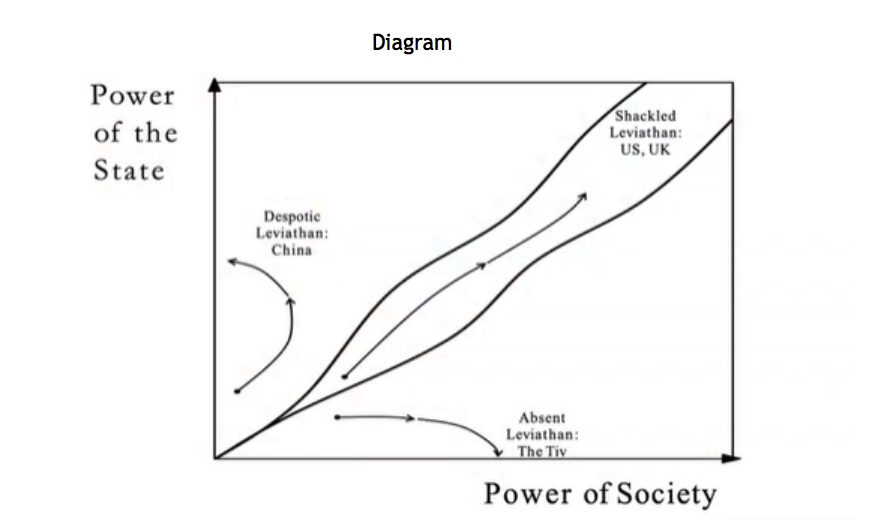
A book was written about liberty and how to achieve it by Daron Acemoglu and James A. Robinson in September 2019. The book was titled The Narrow Corridor- States, Societies, and the fate of Liberty. They were the authors of international best seller Why Nations Fail. The authors argued that for liberty to prevail the state as well as the society should be strong. If the state was too strong they called it a Despotic Leviathan ( Leviathan- they have taken the name of a Biblical sea monster) which would suppress the masses, and when the society was too strong they called it an Absent Leviathan which would  lead the country to anarchy. They argued that the state and the society should run together with neither getting the upper hand and in the run, they should maintain their positions. This constant struggle between the state and the society would create a Shackled Leviathan which would ensure the liberty of the society.

According to the authors, attaining a Shackled Leviathan is not just about constitutional checks and balances or clever institutional design. Society is critical. In this thesis, they challenged the western idea of creating a well-defined constitution would ensure the liberty of the people.
This Diagram of the authors of the book shows how the Shackled Leviathan is created by the balance between the Power of State and the Power of Society. If the Power of State is stronger it would lead to Despotic Leviathan and if the Power of Society is strong it would lead to Absent Leviathan. The Tiv are a Nigerian ethnic group. They had no administrative divisions and no chiefs nor councils.
USA

The Bill of Rights in USA was introduced to the constitution after many were concerned that a strong national government was a threat to individual rights and that the president would become a king. Therefore, there should be a balance of power between the state and the society.
Black people did not have any right whatsoever at the time of passing the constitution. In the US declaration of independence, slaves were not considered as men and authors themselves owned slaves. After 89 years of passing the constitution in 1865 they brought an amendment to abolish slavery after a civil war over the issue. 
A century later in 1960s the civil rights movement was active. One strategy of the struggle was mixed-race groups riding interstate buses violating the Southern segregation laws.  When mobs attacked freedom riders in 1961, Robert Kennedy, Attorney General sent US Marshals to protect the freedom riders. These struggles paved the way for 1964 Civil Rights Act and 1965 Voting Rights Act. in 1968 by the time of the assassination of Martin Luther King Jr. black people yet had visible discriminations. However, in 2009 they elected a black president.

After 232 years of signing of the American constitution and after 228 years of amending the constitution with Bill of Rights, US citizens today had to demonstrate in the streets for the rights of black people.  This proves the argument of the authors that the liberty will not be granted in a platter and it is an outcome of a constant struggle between the state and the society. American society had this struggle throughout the history. Struggle for liberty for all continues between the state and the society.  
Congress and the Senate are trying to bring legislation to combat excessive use of force and racial discrimination by the Police. Proposals also suggested to make it easier to identify, track and prosecute misconduct. This is a notable federal intervention in respect of the rights of the citizens in recent history of USA. It is imposing a shackle, caused by the struggle of the society, to the leviathan.
Struggle in UK forced the authorities to remove statues of the colonial masters and the slave traders erected centuries ago. One  such statue in Bristol was forcibly removed the protestors and dumped in the city’s harbour.
Sri Lanka
In Sri Lanka, the Frontline Socialist Party recently organized a protest campaign in front of the US Embassy. In other democracies  these protests received a wide support. Even in USA there were several instances where the members of the Police took a knee along with the masses to express solidarity. Several embassies of USA in other countries also disapproved the police brutality and sent Twitter messages. The Democratic world did not think that these actions were directed against the American state considering it as an enemy. Those were democratic rights to disagree and to protest. 
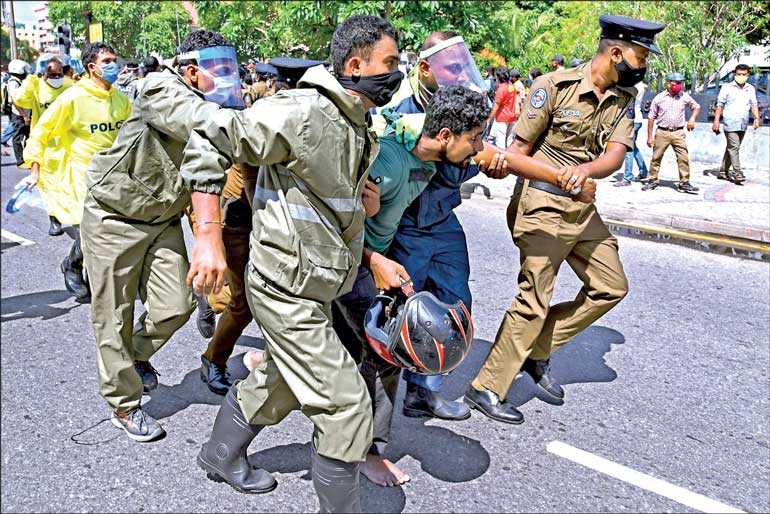
The Sri Lankan courts issued an order preventing them protesting near the embassy of USA. However, the US embassy  said that they have not requested the government to prevent the protest. We have seen that it was a peaceful demonstration exercised keeping a good length among the protestors. The Police disobeyed the quarantine regulations at the time of arresting of the protestors. The protestors at the Town Hall, protesting keeping a distance, and  were not under a court order also were arrested. Therefore, these arrests were anti- democratic.  In USA, people demonstrated in front of the White House as well.
The issue is that the behaviour of the Police which was backed by the government was not met with a stronger protest by the Opposition and by the people at large. This tendency of the opposition and the people would diminish the power of the society to struggle against the despotic tendencies of the state. This struggle only, according to the authors, would create a shackled leviathan.
In Sri Lanka rulers do not consciously engage with the society to change the behaviour of the people to the positive side in the case of racial discrimination. They allow the racial tensions to increase, align with the majority and try to get the votes of the majority at the elections. This tactic was used by the current Indian government as well. Even the political leaders who do not agree to this trend do not voice against racism fearing that they would lose the votes of the majority.
The situation is quite different in other democratic countries. Jacinda Ardern, Prime Minister New Zealand in 2018 walked in a gay pride parade in support of LGBT community who were marginalized by the society. When she addressed the UN in 2018 her opening remarks were in Maori language, spoken by 16% of the population. After the attack of Al Noor mosque in Christchurch, she managed to change the gun laws of the country within a month and her heartfelt support for the Muslim community won praise around the world.  The Canadian Prime Minister Justin Trudeau recently took a knee in a public protest organized to show solidarity with black people.
Apart from racial or religious discriminations the country is moving towards a Despotic Leviathan with the increased military involvement in the civil affairs by the President. The Society has not shown enough strongness to counter this trend.  This will end up in narrowing the corridor further. 
Democracy
Democracy was developed in the Western countries against the tyrannical rule of the autocrats. Democracy is to appoint a government of the people by the people for the people.  However, it can become a tool against the suppression in the hands of the masses if that country is having a considerable gap in relation to power between the rulers and those who are ruled.
When universal franchise was introduced in Sri Lanka in 1931, most of the elite class of people opposed it. When free education was introduced by C.W.W. Kannangara in 1945 senior politicians and the elite class opposed it. 
 In May 2014 during the time of previous Rajapaksa regime, I have written an article to Daily FT titled Why isn’t the Western form of democracy effective in the East. There I discussed the concept of liberty and argued that in collectivist eastern cultures, liberty which is an individualistic concept, would not be respected. “Societies which value liberty respect the rights of the others and the behaviour of the members of such society is rule based. Authority of the law is prevalent. Sri Lankan society comprises of groups, large or small. They are hostile to the out-group members. They break rules very often and things happen based on relationships. By creating political parties under the Western form of democracy, an additional in-group was created. When they support a political party, they defend the wrongdoings of that party even though those have devastating effects to the country. The political party which is in power necessarily would be hostile to the members of the political parties which are not in power.”
Authors of The Narrow Corridor nicely put this situation as purportedly expressed by the Brazilian president Getulio Varges : ‘For my friends, everything; for my enemies, the law.’
I argued that in these types of situations, “democracy would be diminished to the level of tyranny of the majority which means autocracy. Majority and the minority do not have a sense of liberty so that minority will wait until they get the power to do the same in retaliation. On the other hand, political parties which are not in power would try to get power using whatever means. They might try some destructive methods even though those are against the national interest. This is the point one would say that autocracy is better than democracy.” 
I concluded “Therefore implementation of democracy in the collectivist Eastern cultures would either create autocracy if the majority rule is powerful or create anarchy if the opposition is powerful. Sri Lanka is an example of the former and Thailand is an example of the latter.”
This was in line with the argument established by the authors of The Narrow Corridor. 
In Sri Lanka, the word liberty is an alien concept. As I mentioned still there is no proper word for liberty in Sinhala. Therefore, in Sri Lanka not only the leviathan but also the struggle of the society against the state is also shackled. However, it is not too shackled to get it weakened to the extent that it would pave the way for a despotic leviathan. In certain instances it went out of control to unleash armed struggles against the state.
The authors argued that neither the width of the corridor nor stability in the corridor can be taken for granted. The width of the corridor is bolstered by democratic, participatory institutions. If these institutions loose people’s trust, the corridor narrows and the ability of society to handle conflicts is diminished.
Paper Leviathan
The authors identified a scenario in certain countries where there was strong, lethargic, and corrupt bureaucracy.  
“evidence shows that the Argentine state was greatly personalized: if you did not get involved personally, there was no chance of getting services; that was the point of being ‘patient’ – you have to build a personal relationship with a bureaucrat in order to expect anything.” 
There were ‘ghost workers’ who are supporters of the ruling party in Argentina and get paid without showing up for work. In Liberia, the President had his relatives in all the important positions of the government. 
The authors said that this type of situation leads to Paper Leviathan and  that paper leviathans are found near the bottom left corner of the diagram, on the side of the Despotic Leviathan- little societal power, little state power, but still despotic. “This Paper Leviathan has some of the worst characteristics of both the Absent and Despotic Leviathans.”
In Sri Lanka in 1970s during the time of Prime Minister Sirimavo Bandaranaike, political authorities were established above the civil administration saying that the civil administration was not effective. Minister Lalith Athulathmudali introduced Exporters Forum coordinating various government institutions with the exporters to find out quick solutions to the problems of exporters. President Premadasa has taken the officers of all the ministries to the provinces on different days to give quick solutions to the problems of the people. Recently President Gotabaya Rajapaksa has taken the officers of the Central Bank and the Department of Prisons to task. These are various ways the different leaders of the country addressed the issue of Paper Leviathan. Methods applied may be correct or wrong  but addressing the issue in whatever the manner is essential.
Therefore, in conclusion we can say that the Sri Lankan democracy is not in a good shape.  In one hand it needs to get rid of the certain characteristics of the Paper Leviathan which needs a strong state. That may be the reason for the popular demand for a strong state. In order to counter the power of the state the country needs a strong power of the society to achieve a desired democracy and liberty to all. This very vital point is missed by many. Society should be politically matured, alert, and strong. Liberty is absent in a society where there is wide-spread state sponsored racial discrimination with the tacit approval of the society. The country has not progressed well in the evolution process towards these objectives even after 72 years of independence.
Published in Colombo Telegraph on 26 June 2020

The ‘Narrow Corridor’: How to steer democracy ahead

Police attacking the Frontline Socialist Party protest campaign – Pic by Ruwan Walpola


Daron Acemoglu and James A. Robinson, the authors of international best seller ‘Why Nations Fail,’ wrote a book, ‘The Narrow Corridor – States, Societies, and the fate of Liberty’ and published it in September 2019. The book was about liberty. 
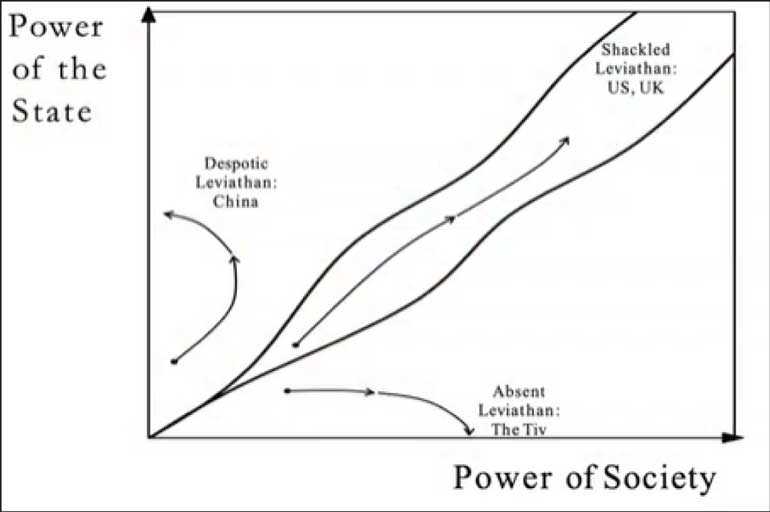
The authors argued that for liberty to prevail the state as well as society should be strong. If the state was too strong they called it a Despotic Leviathan (Leviathan – they have taken the name of a Biblical sea monster) which would suppress the masses, and when society was too strong they called it an Absent Leviathan which would lead the country to anarchy. 

They argued that the state and society should run together with neither getting the upper hand and in the run, they should maintain their positions. This constant struggle between the state and society would create a Shackled Leviathan which would ensure the liberty of society.

According to the authors, attaining a Shackled Leviathan is not just about constitutional checks and balances or clever institutional design. Society is critical. In this thesis, they challenged the Western idea of creating a well-defined constitution would ensure the liberty of the people. 


          In Sri Lanka, the word liberty is an alien concept. As I mentioned still there is no proper word for liberty in Sinhala. Therefore, in Sri Lanka not only the Leviathan but the struggle of society against the State is also shackled. However, it is not too shackled to get it weakened to the extent that it would pave the way for a Despotic Leviathan. In certain instances it went out of control to unleash armed struggles against the State. Neither the width of the corridor nor stability in the corridor can be taken for granted. The width of the corridor is bolstered by democratic, participatory institutions. If these institutions lose people’s trust, the corridor narrows and the ability of society to handle conflicts is diminished
Sri Lankan democracy is not in a good shape. On one hand it needs to get rid of certain characteristics of the Paper Leviathan which needs a strong state. That may be the reason for the popular demand for a strong state. In order to counter the power of the state the country needs a strong power of society to achieve a desired democracy and liberty to all. This very vital point is missed by many. Society should be politically matured, alert, and strong. Liberty is absent in a society where there is widespread state-sponsored racial discrimination with the tacit approval of society. The country has not progressed well in the evolution process towards these objectives even after 72 years of independence


USA

The Bill of Rights in the USA was introduced to the Constitution after many were concerned that a strong national government was a threat to individual rights and that the president would become a king. Therefore, there should be a balance of power between the state and society.

Black people did not have any right whatsoever at the time of passing the Constitution. In the US Declaration of Independence, slaves were not considered as men and authors themselves owned slaves. After 89 years of passing the Constitution in 1865 they brought an amendment to abolish slavery after a civil war over the issue. 

A century later in 1960s the civil rights movement was active. One strategy of the struggle was mixed-race groups riding interstate buses, violating the Southern segregation laws. When mobs attacked freedom riders in 1961, Attorney General Robert Kennedy sent US Marshals to protect the freedom riders. These struggles paved the way for 1964 Civil Rights Act and 1965 Voting Rights Act. In 1968 by the time of the assassination of Martin Luther King Jr. black people yet had visible discriminations. However, in 2009 they elected a black president.

After 232 years of signing of the American Constitution and after 228 years of amending the Constitution with the Bill of Rights, US citizens today have to demonstrate in the streets for the rights of black people. This proves the argument of the authors that liberty will not be granted on a platter and it is an outcome of a constant struggle between the state and society. American society had this struggle throughout its history. Struggle for liberty for all continues between the state and society. 

Congress and the Senate are trying to bring legislation to combat excessive use of force and racial discrimination by the Police. Proposals also suggested to make it easier to identify, track and prosecute misconduct. This is a notable federal intervention in respect of the rights of the citizens in recent history of USA. It is imposing a shackle, caused by the struggle of society, to the Leviathan.

The struggle in the UK forced the authorities to remove statues of colonial masters and slave traders erected centuries ago. One such statue in Bristol was forcibly removed by the protestors and dumped in the city’s harbour.

Sri Lanka

In Sri Lanka, the Frontline Socialist Party organised a protest campaign in front of the US Embassy. In other democratic countries these protests received wide support. Even in the USA there were several instances where the members of the Police took a knee along with the masses to express solidarity. Several embassies of USA in other countries also disapproved of the police brutality and sent Twitter messages. The democratic world did not think that these actions were directed against the American State, considering it as an enemy. Those were democratic rights to disagree and to protest. 

The Sri Lankan Courts issued an order preventing them protesting near the Embassy of the USA. However, the US Embassy said that it had not requested the Government to prevent the protest. We have seen that it was a peaceful demonstration exercised keeping a good length among the protestors. The Police disobeyed the quarantine regulations at the time of arresting of the protestors. The protestors at the Town Hall, protesting keeping a distance, and who were not under a Court order, were also arrested. Therefore, these arrests were anti-democratic. In the USA, people demonstrated in front of the White House as well.

The issue is that the behaviour of the Police which was backed by the Government was not met with a stronger protest by the Opposition and by the people at large. This tendency of the Opposition and the people would diminish the power of society to struggle against the despotic tendencies of the State. This struggle only, according to the authors, would create a Shackled Leviathan.

In Sri Lanka rulers do not consciously engage with society to change the behaviour of the people to the positive side in the case of racial discrimination. They allow the racial tensions to increase, align with the majority and try to get the votes of the majority at the elections. This tactic was used by the current Indian Government as well. Even the political leaders who do not agree to this trend do not voice against racism, fearing that they would lose the votes of the majority.

The situation is quite different in other democratic countries. New Zealand Prime Minister Jacinda Ardern in 2018 walked in a gay pride parade in support of the LGBT community who were marginalised by society. When she addressed the UN in 2018 her opening remarks were in Maori language, spoken by 16% of the population. After the attack on the Al Noor mosque in Christchurch, she managed to change the gun laws of the country within a month and her heartfelt support for the Muslim community won praise around the world. Canadian Prime Minister Justin Trudeau recently took a knee in a public protest organised to show solidarity with black people.

Democracy

Democracy was developed in the Western countries against the tyrannical rule of the autocrats. Democracy is to appoint a government of the people by the people for the people. However, the Sri Lankan people embraced democracy at the initial stages as a tool in the hands of suppressed masses against their social suppression. It may be the same in most of the underdeveloped countries. It becomes a tool against the suppression in the hands of the masses if that country is having a considerable gap in relation to power between the rulers and those who are ruled.

When universal franchise was introduced in Sri Lanka in 1931, most of the elite class of people opposed it. When free education was introduced by C.W.W. Kannangara in 1945, senior politicians and the elite class opposed it. 

In May 2014 during the time of previous Rajapaksa regime, I wrote an article to Daily FT titled ‘Why isn’t the Western form of democracy effective in the East?’ (http://www.ft.lk/columns/why-isnt-the-western-form-of-democracy-effective-in-the-east/4-294756). There I discussed the concept of liberty and mentioned that in Sinhala we do not have a proper word to describe liberty. I have argued that in collectivist Eastern cultures, liberty which is an individualistic concept, would not be respected. 

“Societies which value liberty respect the rights of the others and the behaviour of the members of such society is rule based. Authority of the law is prevalent. Sri Lankan society comprises of groups, large or small. They are hostile to the out-group members. They break rules very often and things happen based on relationships. By creating political parties under the Western form of democracy, an additional in-group was created. When they support a political party, they defend the wrongdoings of that party even though those have devastating effects to the country. The political party which is in power necessarily would be hostile to the members of the political parties which are not in power.”

Authors of ‘The Narrow Corridor’ nicely put this situation as purportedly expressed by Brazilian President Getulio Varges: “For my friends, everything; for my enemies, the law.”

I argued that in these type of situations, “democracy would be diminished to the level of tyranny of the majority which means autocracy. Majority and the minority do not have a sense of liberty so that minority will wait until they get the power to do the same in retaliation. On the other hand, political parties which are not in power would try to get power using whatever means. They might try some destructive methods even though those are against the national interest. This is the point one would say that autocracy is better than democracy.” 

I concluded: “Therefore implementation of democracy in the collectivist Eastern cultures would either create autocracy if the majority rule is powerful or create anarchy if the opposition is powerful. Sri Lanka is an example of the former and Thailand is an example of the latter.”

This was in line with the argument established by the authors of ‘The Narrow Corridor’. 

In Sri Lanka, the word liberty is an alien concept. As I mentioned still there is no proper word for liberty in Sinhala. Therefore, in Sri Lanka not only the Leviathan but the struggle of society against the State is also shackled. However, it is not too shackled to get it weakened to the extent that it would pave the way for a Despotic Leviathan. In certain instances it went out of control to unleash armed struggles against the State.

The authors argued that neither the width of the corridor nor stability in the corridor can be taken for granted. The width of the corridor is bolstered by democratic, participatory institutions. If these institutions lose people’s trust, the corridor narrows and the ability of society to handle conflicts is diminished.

Paper Leviathan

The authors identified a scenario in certain countries where there was strong, lethargic, and corrupt bureaucracy: “…evidence shows that the Argentine State was greatly personalised: if you did not get involved personally, there was no chance of getting services; that was the point of being ‘patient’ – you have to build a personal relationship with a bureaucrat in order to expect anything.”

There were ‘ghost workers’ who are supporters of the ruling party in Argentina and get paid without showing up for work. In Liberia, the President had his relatives in all the important positions of the Government. 

The authors said that this type of situation leads to Paper Leviathan and that Paper Leviathans are found near the bottom left corner of the diagram, on the side of the Despotic Leviathan – little societal power, little state power, but still despotic. “This Paper Leviathan has some of the worst characteristics of both the absent and Despotic Leviathans.”

In Sri Lanka in the 1970s during the time of Prime Minister Sirima Bandaranaike, political authorities were established above the civil administration saying that the civil administration was not effective. Minister Lalith Athulathmudali introduced the Exporters Forum coordinating various Government institutions with the exporters to find out quick solutions to the problems of exporters. 

President Premadasa has taken the officers of all the ministries to the provinces on different days to give quick solutions to the problems of the people. Recently President Gotabaya Rajapaksa has taken the officers of the Central Bank and the Department of Prisons to task. These are various ways the different leaders of the country addressed the issue of Paper Leviathan. There may be pros and cons of each method but addressing the issue in whatever the manner is essential.

Therefore, in conclusion we can say that Sri Lankan democracy is not in a good shape. On one hand it needs to get rid of certain characteristics of the Paper Leviathan which needs a strong state. That may be the reason for the popular demand for a strong state. In order to counter the power of the state the country needs a strong power of society to achieve a desired democracy and liberty to all. This very vital point is missed by many. Society should be politically matured, alert, and strong. Liberty is absent in a society where there is widespread state-sponsored racial discrimination with the tacit approval of society. The country has not progressed well in the evolution process towards these objectives even after 72 years of independence.

This diagram by the authors of the book shows how the Shackled Leviathan is created by the balance between the power of state and the power of society. If the power of state is stronger it would lead to Despotic Leviathan and if the power of society is strong it would lead to Absent Leviathan
published in DailyFT on 20 June 2020